
Del Couch Foundation: Where Talent Gets a Real Chance to Grow
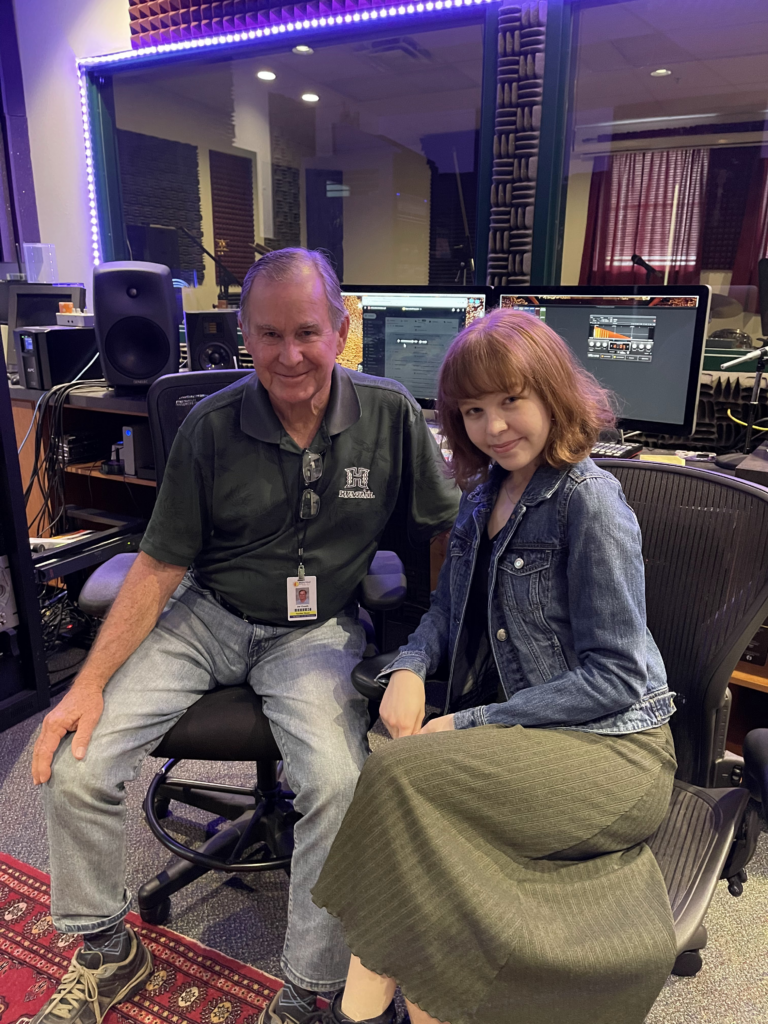
Walk into Del Couch’s office in Bradenton and you quickly realize he isn’t interested in cookie-cutter talent pipelines. He’s interested in people—especially young artists—finding their own voice and learning how to protect it.
Through the Del Couch Foundation, Couch and his team help students and aspiring performers explore music in a way that feels personal, practical, and creatively free. The foundation works with young musicians from across the community, and Couch is clear about why that matters: most traditional music programs have to follow strict guidelines. His work is different. “We deal with each student individually on a creative basis,” he explained. “You come in, you want to learn this, this, and this—that’s what you learn.”
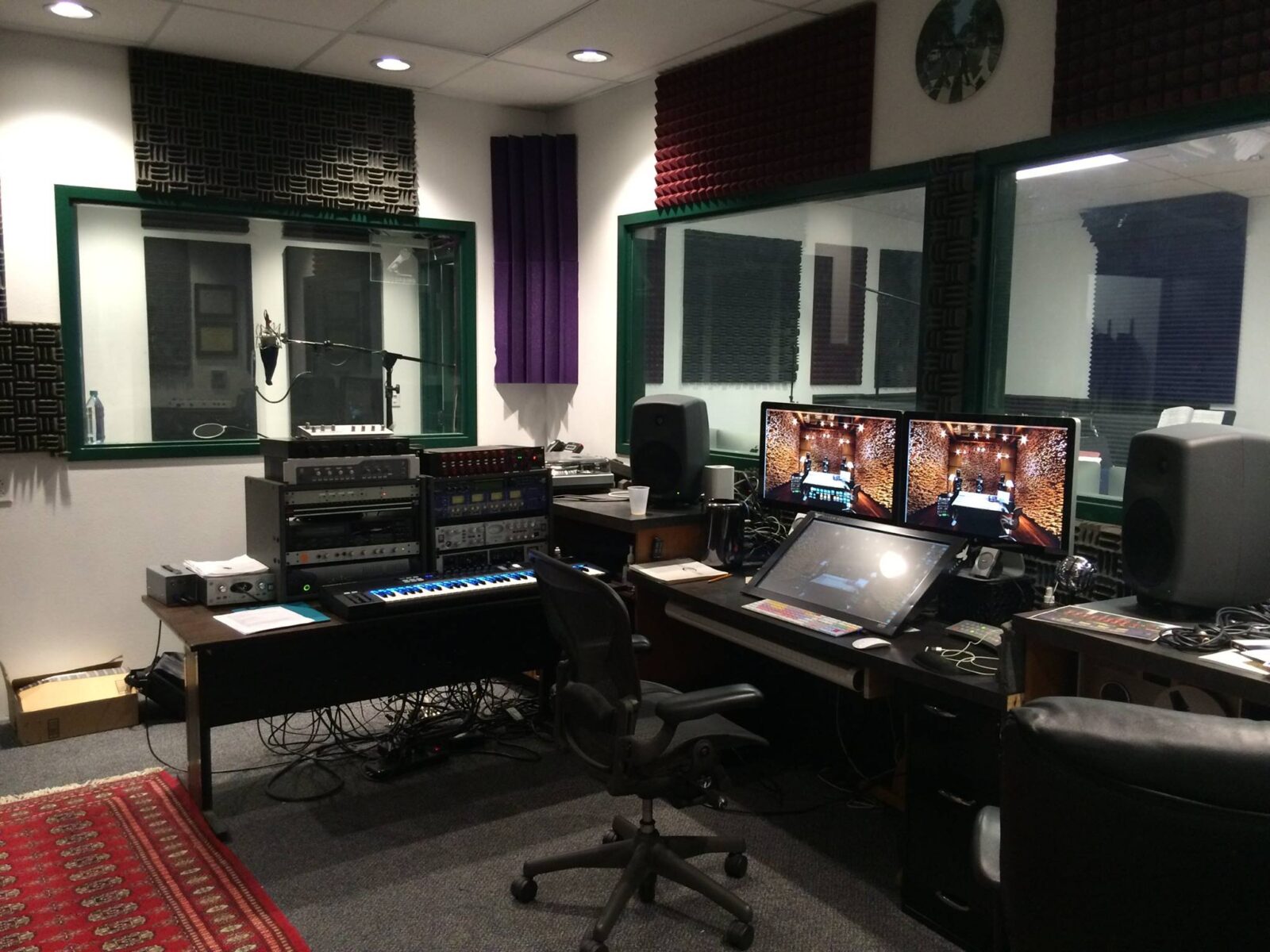
A cornerstone of the foundation’s impact is Couch’s long-standing studio partnership at Manatee School for the Arts, which he has been running for 11 years. The studio gives students hands-on access to real-world recording and production in an environment designed to meet them where they are—whether they’re learning an instrument, writing songs, building stage confidence, or diving into audio engineering and commercial music.
Couch has seen what happens when students are mentored with both skill and honesty. Some have gone on to build significant momentum, including recognizable names like Sam Woolf, who began working with Couch as a young teen and became a hometown favorite during his run on American Idol. Another is Bella Garland, a rising songwriter whose path has included major songwriting recognition and collaborations—an example, Couch says, of what can happen when a student’s creativity is taken seriously and guided the right way.
But one lesson Couch returns to again and again is simple: creativity can’t thrive when it’s controlled. He described moments where a student’s talent unlocked the second pressure stepped out of the room—when a parent stepped aside and the artist finally sang the way they truly felt the song. “You’ve got to let the students develop their creativity,” he said. “That’s the secret to the whole thing.”
The foundation’s work also includes the practical support many families don’t expect, which is access to instruments and gear through community donations. From guitars and amps to drum sets—and even rare, high-end instruments that students can use in the studio—Couch sees every donation as a way to remove barriers for the right kid at the right moment.
If you have a child (or you are the adult) with a spark for music, don’t wait for the “perfect time” or the “perfect plan.” Reach out, schedule a visit, and step into the studio environment for a conversation. And if you have instruments sitting unused in a closet or garage, consider donating them—your forgotten guitar or keyboard could be the exact reason someone else finally gets to begin.
For more information visit: delcouchmusicedfoundation.org