
Mote Marine Laboratory Releases First Hatchery-Raised Caribbean King Crabs onto Florida’s Coral Reef, Marking Major Milestone in Restoration Efforts
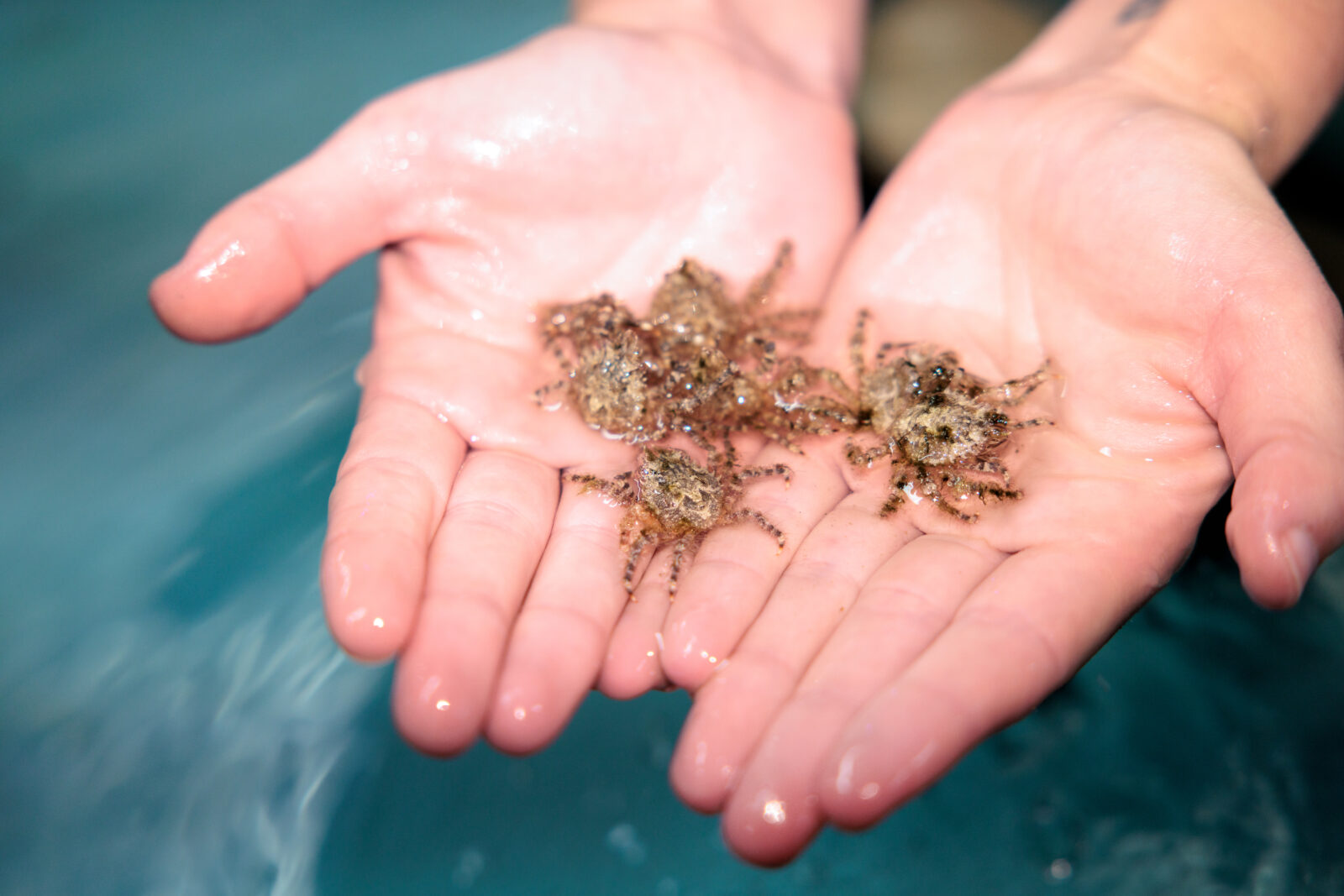
Mote Marine Laboratory is excited to announce the successful, first-ever release of hatchery-raised Caribbean king crabs onto Florida’s Coral Reef as part of its holistic science-based coral reef restoration strategy. The historic release took place on March 28, 2026, at a restoration site in the lower Florida Keys.
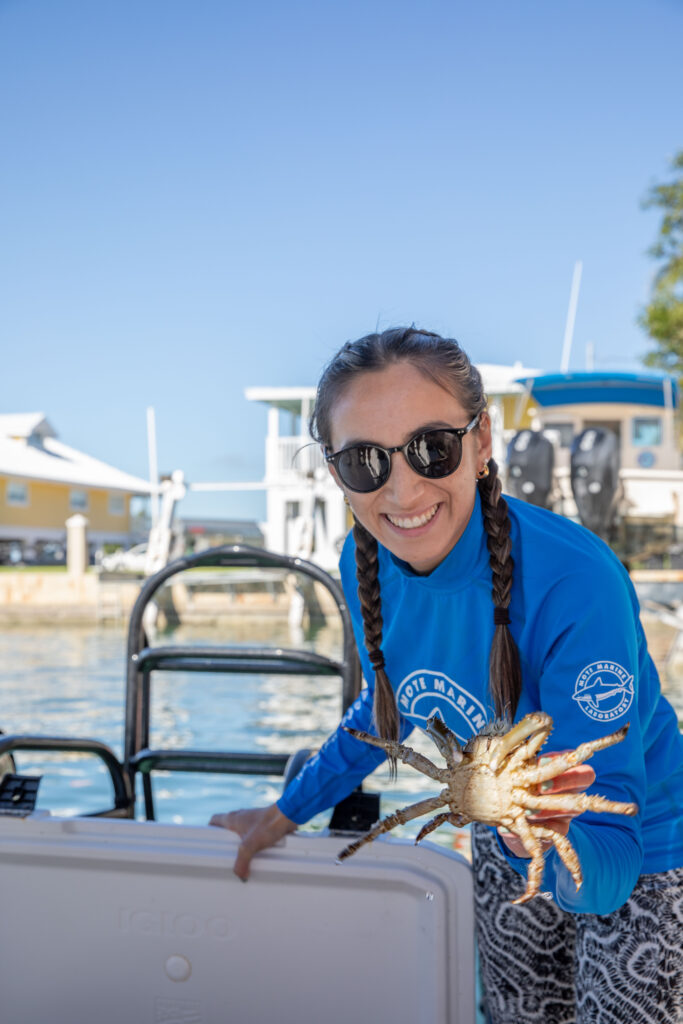
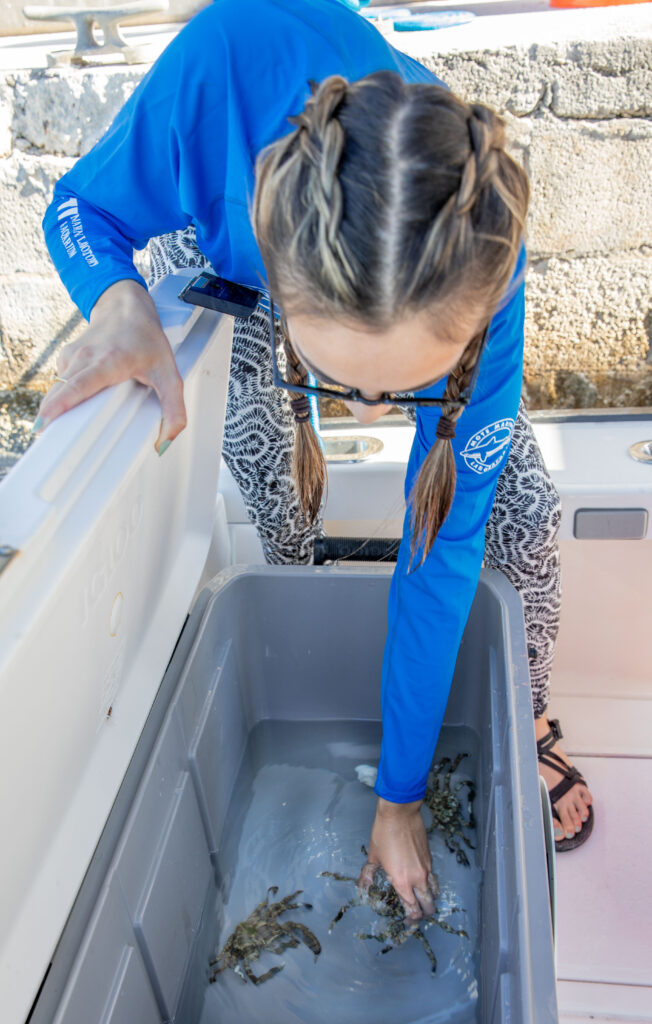
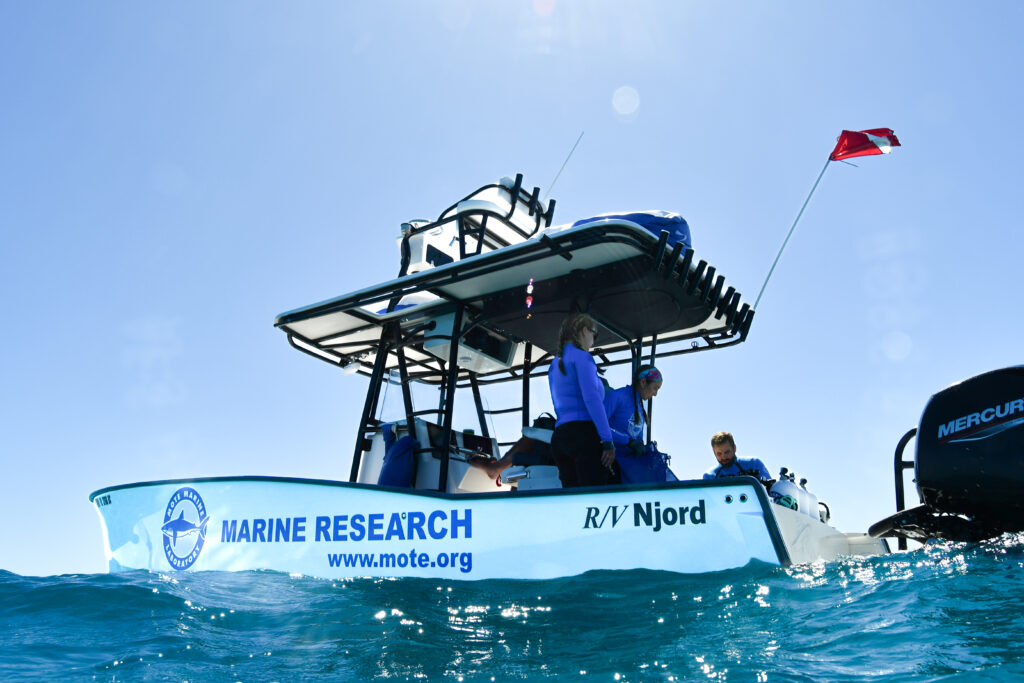
Mote’s Florida Coral Reef Restoration Crab Hatchery Research Center is the first and only fully operational Caribbean king crab hatchery of its kind. The facility was designed to scale up production of a key reef herbivore whose ecological role is increasingly recognized as essential to coral survival, growth, and recruitment, as well as the overall resilience of these delicate ecosystems.
Caribbean king crabs are powerful “grazers,” capable of consuming more algae than any species of parrotfish in the Caribbean and rivaling the grazing rates of sea urchins. Unlike many herbivores, they readily consume chemically defended algae that other species avoid. Reducing algal overgrowth, which is a major driver of coral decline, allows for corals to have more space to grow and settle.
“This release marks a pivotal step forward in our holistic approach to coral reef restoration,” said Dr. Michael P. Crosby, President & CEO of Mote Marine Laboratory. “For decades, Mote has worked to shift the paradigm of coral restoration science. Now, by actively restoring not just corals but the ecological balance of the reef itself, we are advancing solutions that address the root causes of reef degradation.”
Florida’s Coral Reef, the third-largest barrier reef system in the world, has experienced significant functional decline in recent decades due to climate stress, disease, and algal overgrowth. As algae proliferate, they can smother corals, reduce light availability, and increase corals’ susceptibility to disease and bleaching. The introduction of Caribbean king crabs directly addresses this imbalance.
“Caribbean king crabs have emerged as champions in the fight to rescue threatened coral reefs,” said Dr. Jason Spadaro, Mote’s Coral Reef Restoration Research Program Manager. “By increasing their abundance on restoration sites, we are enhancing coral survival, supporting recruitment, and improving overall reef ecosystem function, including reef fish diversity.”
The crabs released originated from broodstock maintained at the 6,000-square-foot hatchery facility at Mote’s Aquaculture Research Park in Sarasota. The hatchery currently houses more than 300 adult crabs and is designed to scale to 700–800 broodstock individuals, with the long-term goal of producing up to 250,000 juvenile crabs annually.
This initial release was conducted at a smaller scale as part of Mote’s phased implementation approach, allowing researchers and staff to focus closely on transport protocols, successful introduction at restoration sites, and specific observations of immediate post-release behaviors of the crabs. Additional releases are planned as production continues to ramp up, including a larger-scale deployment later in April.
This effort builds on years of research and innovation. In February 2022, Mote scientists achieved a breakthrough by successfully hatching the institution’s first clutch of Caribbean king crabs at its Elizabeth Moore International Center for Coral Reef Research & Restoration on Summerland Key. This release exemplifies the transition from proof-of-concept to active, large-scale ecosystem restoration. By combining coral restoration with the reestablishment of natural ecosystem dynamics, Mote is strengthening the foundation for long-term reef resilience and recovery.
The hatchery and subsequent crab releases are supported in part by the National Marine Sanctuary Foundation through the Mission: Iconic Reefs (M:IR) Capacity Building Grant program and by the National Oceanic and Atmospheric Administration (NOAA) through the Transformational Habitat Restoration. The broader Mission: Iconic Reefs initiative, led by NOAA in partnership with Mote and other organizations, aims to restore key reef sites across the Florida Keys.