
Where to Celebrate America250: 4 Chapters in America’s Story
Written by: Kelly Stilwell
From coast to coast, America’s story isn’t told in just one place. It unfolds across centuries, cultures, and landscapes. As the country approaches its 250th anniversary, there’s no better time to experience the moments that shaped it, from its earliest beginnings to its bold expansion west.
Though many recommendations for places to visit this year to celebrate the quincentennial will involve our Nation’s Capital, Philadelphia, Williamsburg, and other Northeast experiences that tell the story of how the United States began, I’m beginning in the South, where you’ll find the roots of America in St. Augustine, long before Independence was even a thought.
Heading west from Florida, San Antonio offers a rich blend of cultures that helped define the nation’s identity. In Washington, D.C., those ideas take shape and continue to guide the country today.
And to see how big and varied our country is, a journey through the American Southwest offers a front row seat to the vast landscapes that shaped America’s spirit of exploration. Together, these four experiences don’t just celebrate America250, they show how our nation came to be.
St. Augustine, Florida
What I loved about St. Augustine is that it’s a walking history museum. The history is literally everywhere you look, from the centuries-old architecture to the cobblestone streets. And it’s very walkable. I walked from the Castillo de San Marcos National Monument to the Colonial Quarter to the Plaza Constitución and back to the Ximenez-Fatio House Museum in just a few hours.
5 Things to Do:
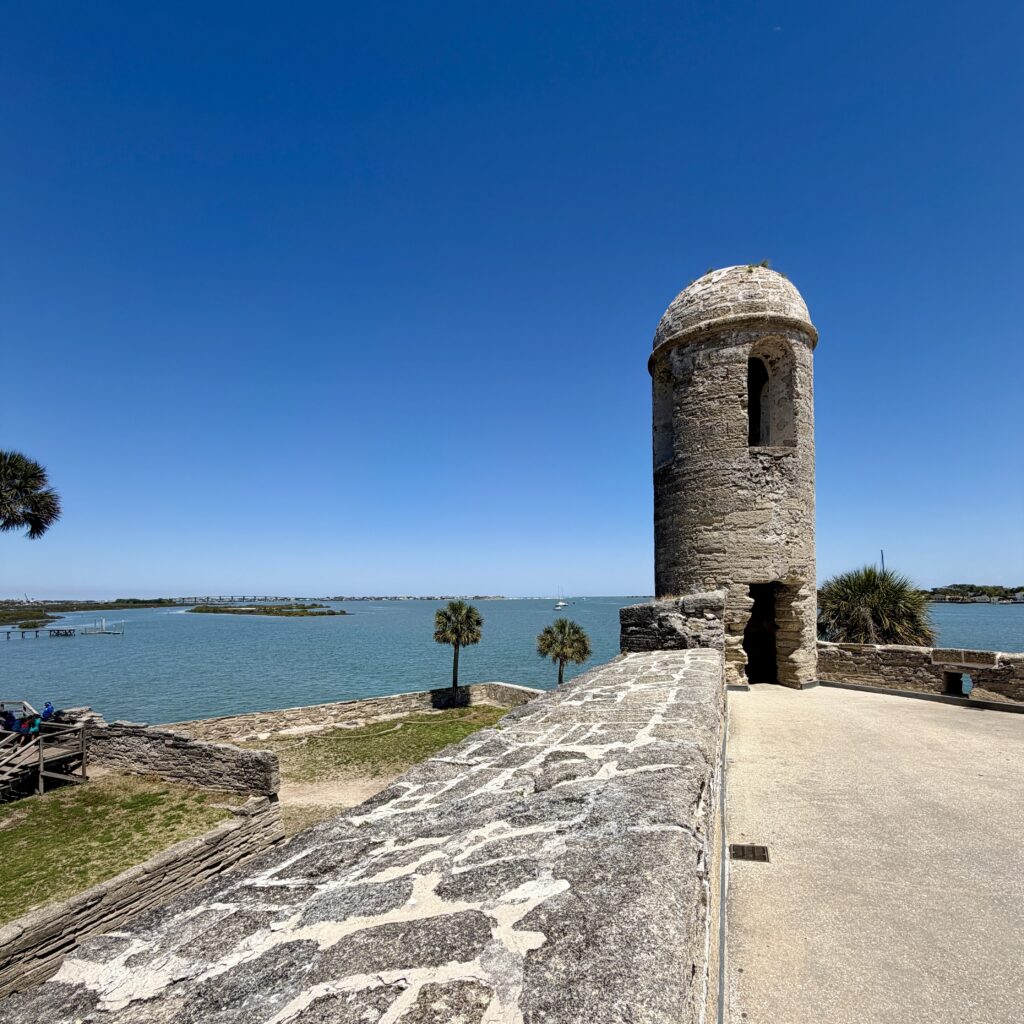
Stroll the Castillo de San Marcos National Monument: Built by the Spanish in the late 1600s, this is the oldest Masonry Fort in the Continental United States. Long before the U.S. existed, European powers were competing for control of North America, and St. Augustine was right in the center of it.
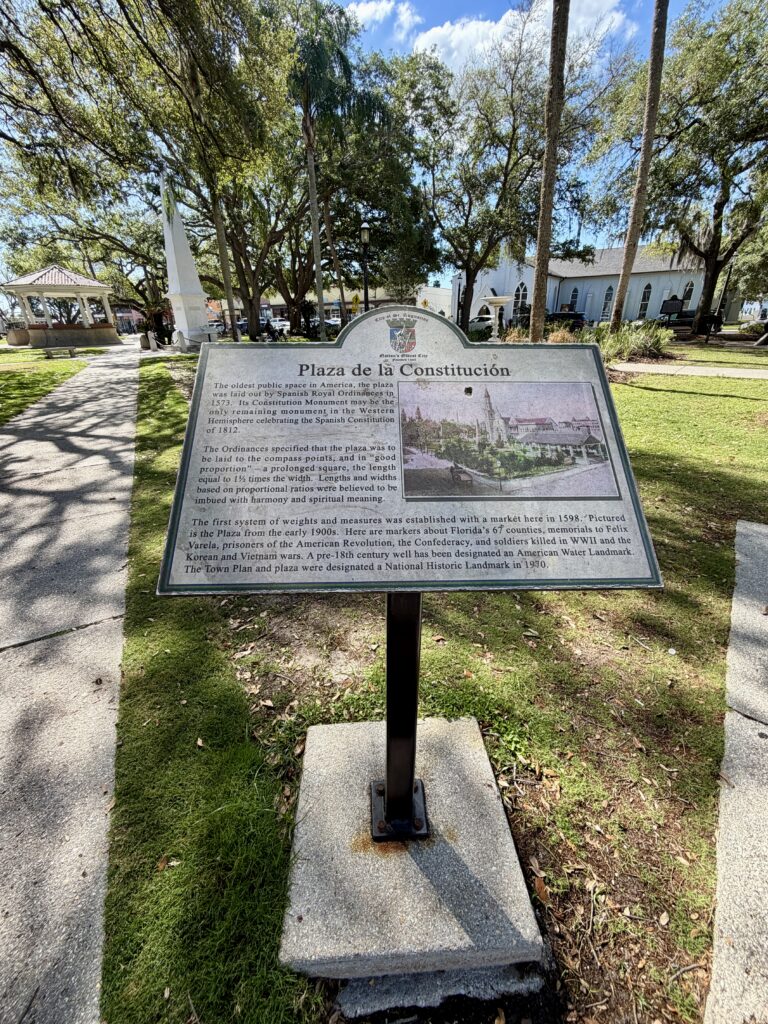
Explore the Plaza de la Constitución: The oldest public space in America, this is the heart of the city today and was the original gathering place when it was first designed in the 1500s. It was intentionally built to be where government, religion, and community functioned in one place.

Tour the Ximenez-Fatio House Museum: For a glimpse into daily life in early St. Augustine, visit the Ximenez-Fatio House Museum. This beautifully restored boarding house welcomed travelers during the time period when St. Augustine was changing hands between Spanish, British, and American rule. Operated by a series of truly amazing women in the 1800s, the house tells the story of both the city’s evolving identity and the vital role women played in one of America’s oldest communities.
Visit the Pẽna-Peck House: One of the best places to learn about the rich history of St. Augustine is the Pẽna-Peck House. Built in the 1700s during Spanish rule in Florida, the home highlights centuries of change. Tour the coquina stone home and learn about the families who lived there, including connections to government leaders. This is living history at its best..
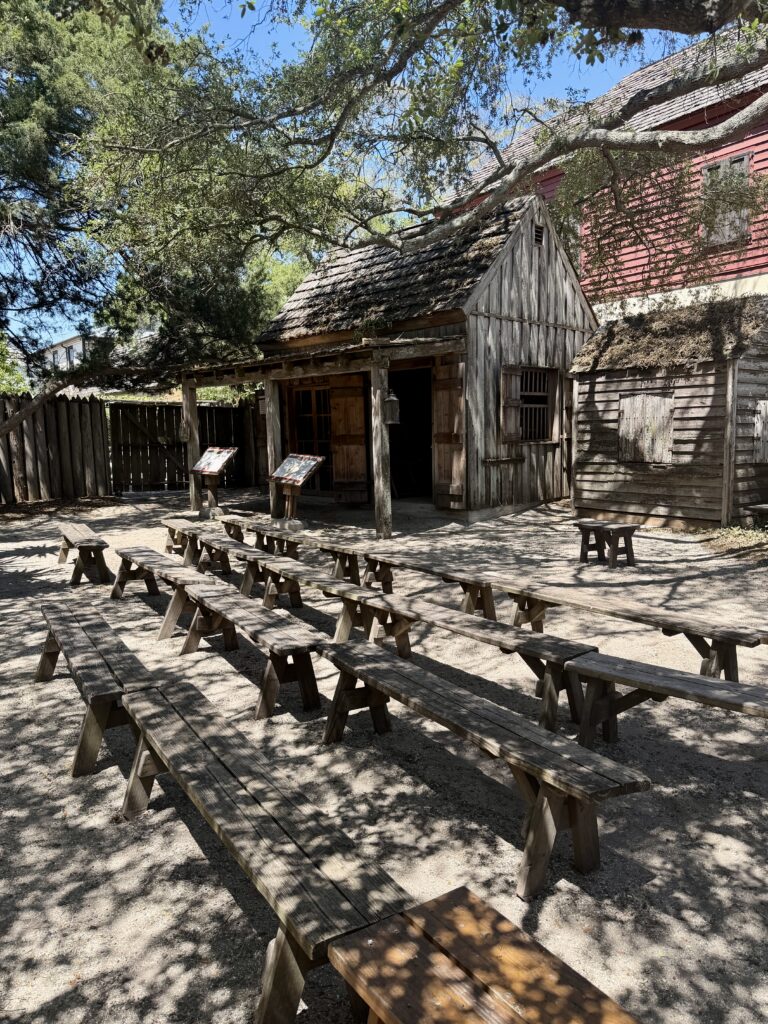
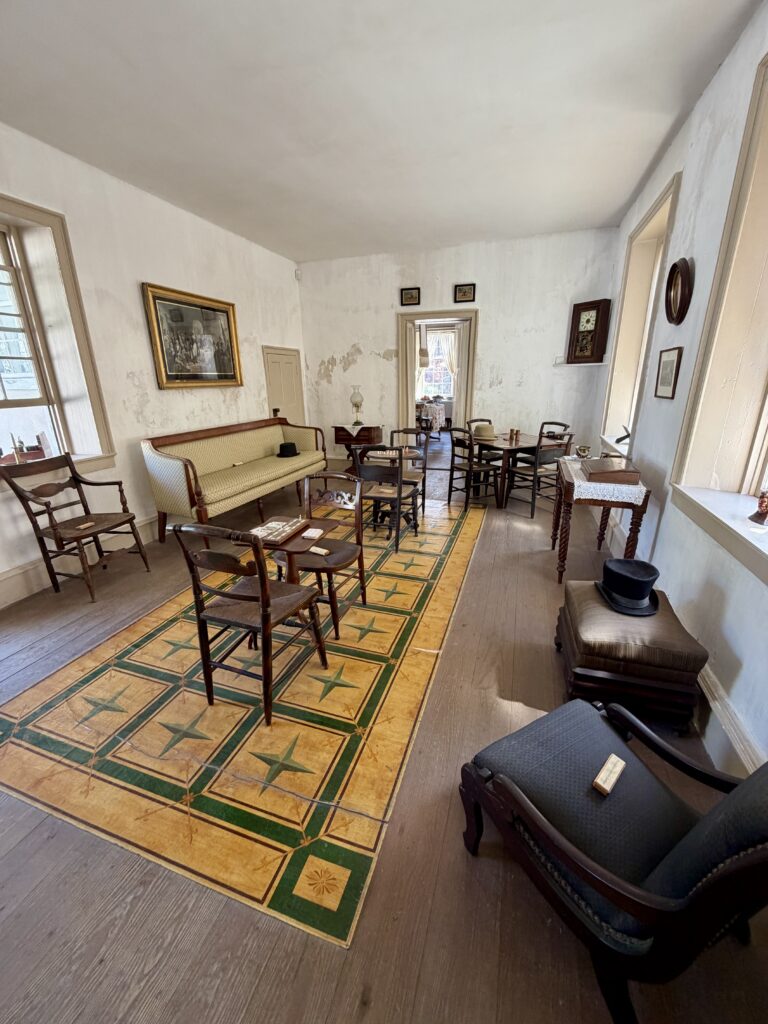
Check out the Colonial Experience: Get a glimpse of what life was like in St. Augustine from the 16th to the 18th century through the Living History Tour at St. Augustine Colonial Experience. This is a lighthearted look at history with a fun guide. Especially if you’re traveling with kids, this is a great stop, giving them the chance to run around a bit and explore.
San Antonio, Texas
Long before the United States existed, San Antonio was already a crossroads of cultures, and that mix of Indigenous, Spanish, Mexican, and American influences is still part of what makes the city so interesting today. The best way to understand our nation’s story is to see it up close.
5 Things to Do:
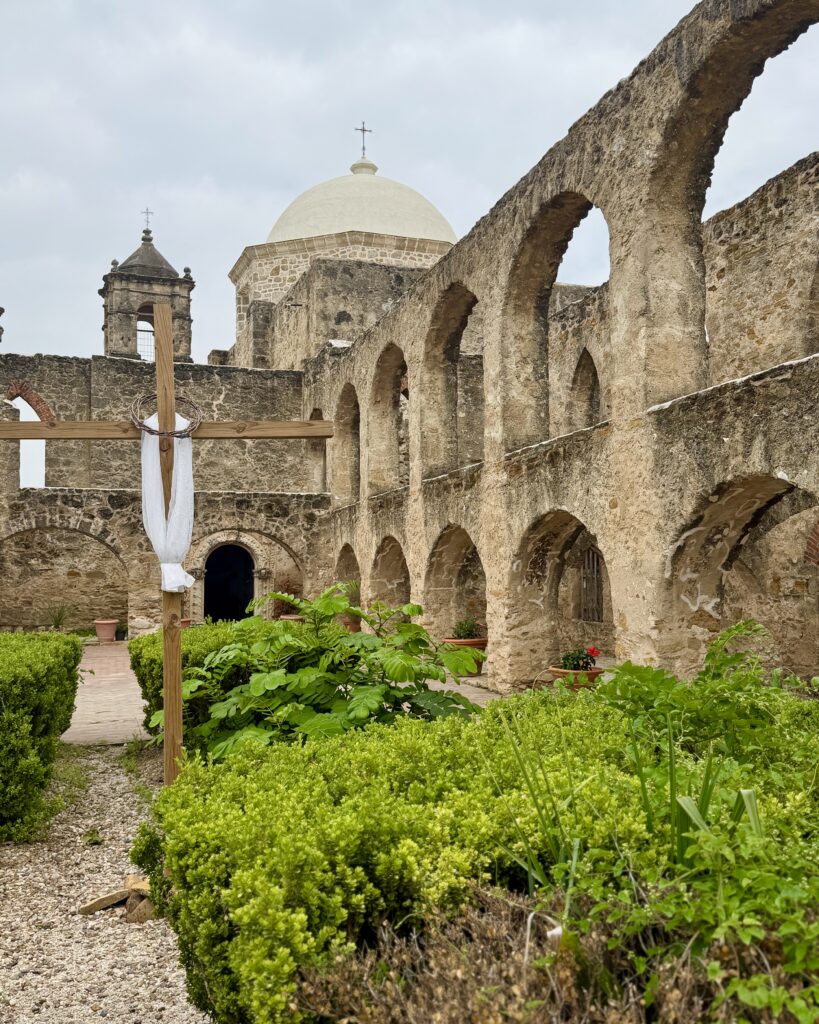
See the missions: Start at San Antonio Missions World Heritage Center to get a feel for why this area matters. San Antonio is home to the only UNESCO World Heritage Site in Texas, and the center helps bring that story into focus. From there, head to San Antonio Missions National Historical Park, where four missions stretch along the river. Walking through them gives you an idea of what life was like here centuries ago.
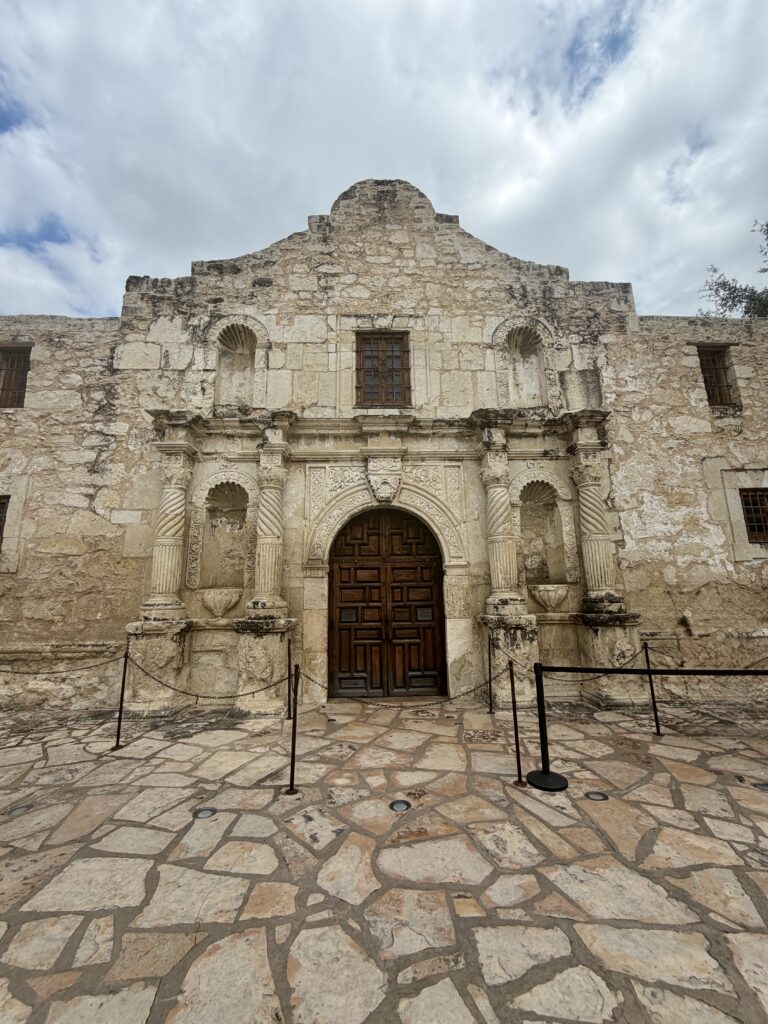
Visit the Alamo: One of the most defining sites in Texas history and a lasting symbol of the fight for independence, seeing the Alamo is a must. Take time to watch the film, Crossroads of History, while you’re there.
Stroll the Riverwalk: Take in the architecture and history of the city from San Antonio Riverwalk, while getting a feel for the city’s energy. Narrated short cruises are also easy to book.
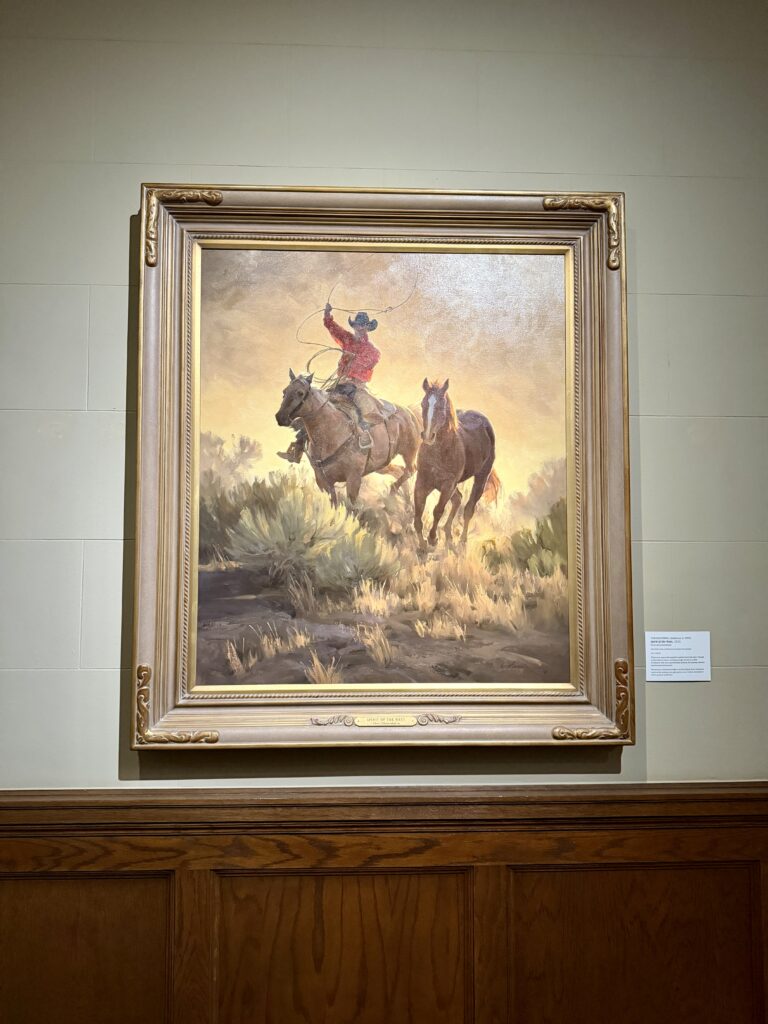
Explore Western art: Step into the story of the American West at the Briscoe Western Art Museum, where you can explore the art and artifacts that shaped this region.

Experience Saga: Don’t miss Saga at San Fernando Cathedral, where a light and sound show brings centuries of history to life right on the cathedral’s façade.
Washington, D.C.
I was born in Washington D.C., so I grew up going on field trips to the Washington Monument, the White House, and the Smithsonian museums. But exploring the District of Columbia as an adult takes on a whole new meaning. It may not be where the nation was founded, but it’s where its ideals that shaped it unfolded and continue to evolve. From the Revolution to Civil Rights to modern history, it’s all layered here.
5 Things to Do:
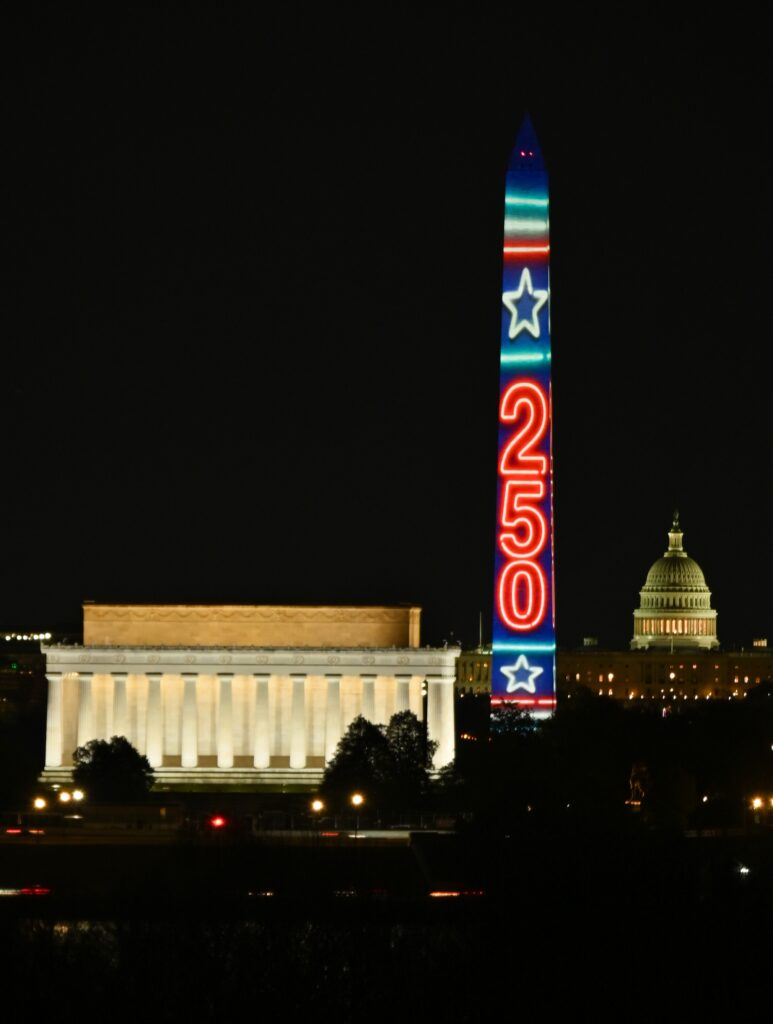
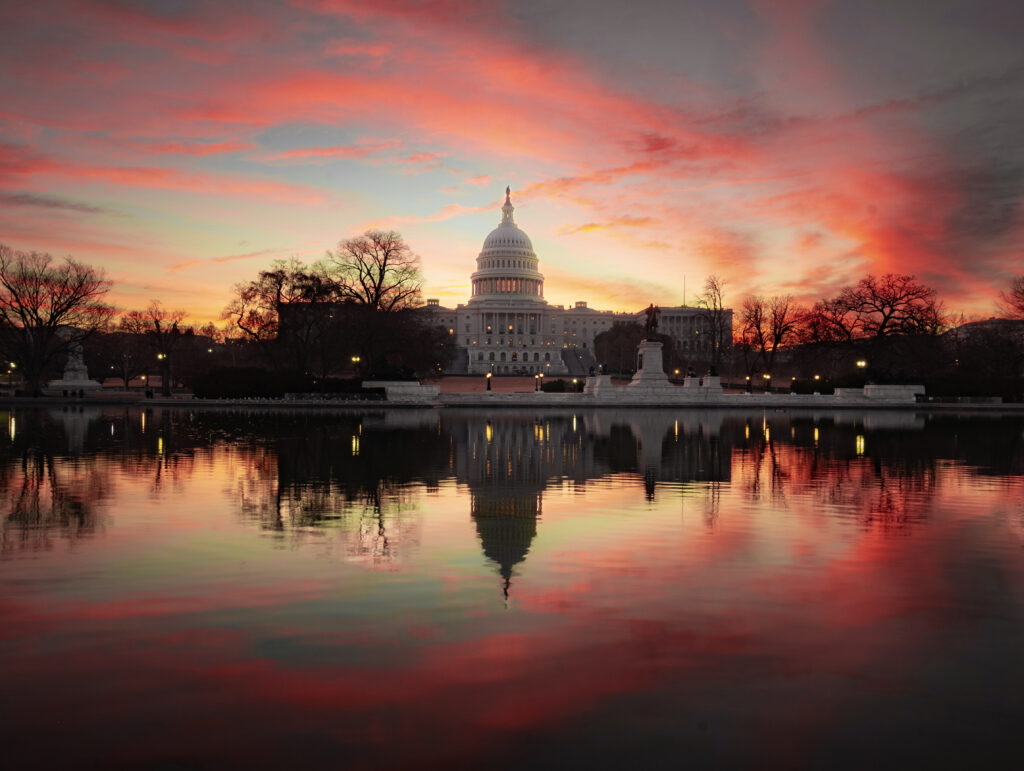

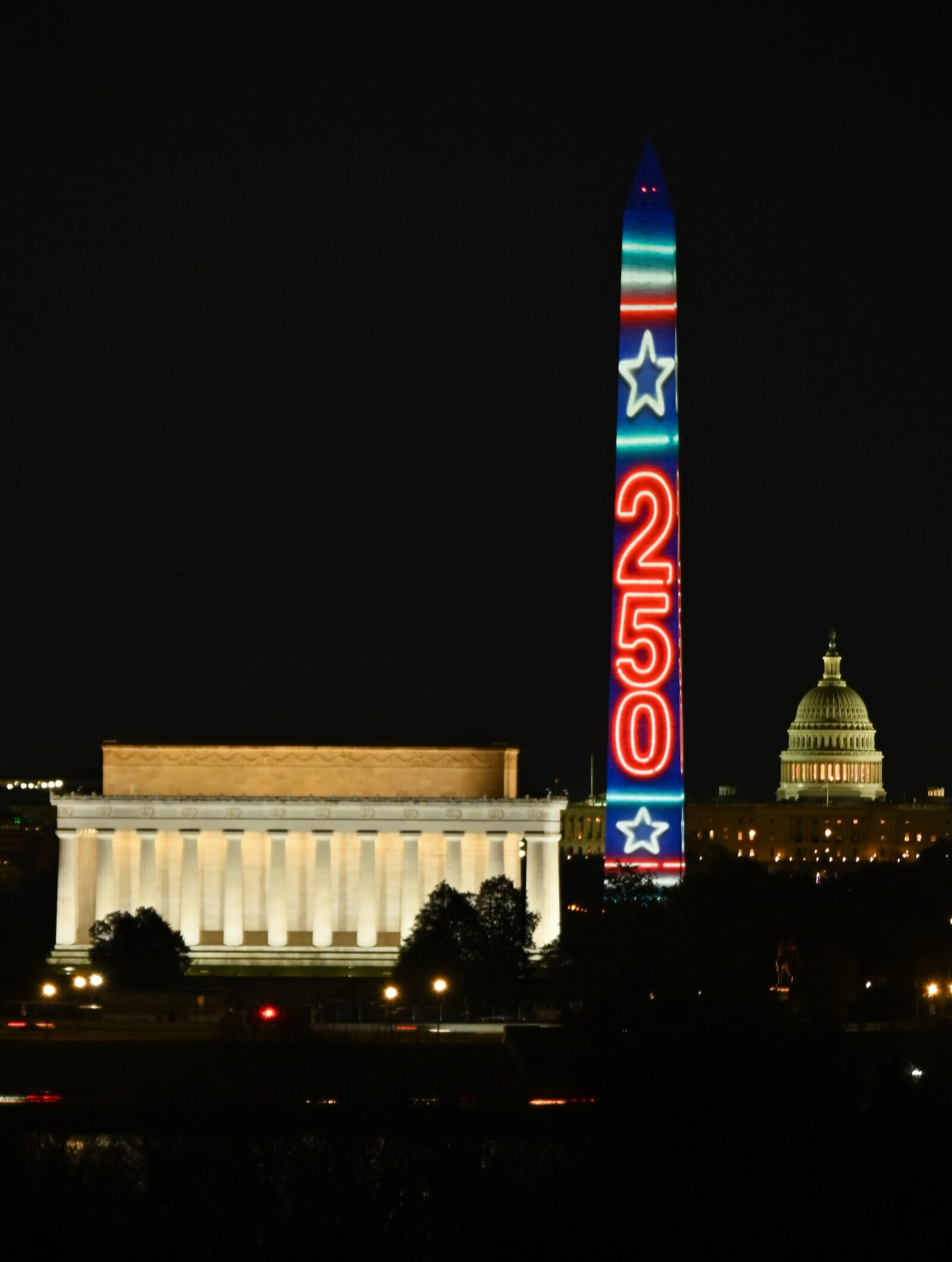
Washington, D.C. Photo Credit: Julianna Marten
- Visit the National Archives: View the original Declaration of Independence, the U.S. Constitution, and the Bill of Rights.
- Explore the U.S. Capitol Building: This beautiful domed structure is one of the most recognizable buildings in the world, and home of the U.S. House of Representatives and Senate. Millions of people visit the Capitol Building and the Capitol Building Visitor’s Center each year, and you’ll want to book a tour to avoid a long wait. It’s free and easy to do at VisittheCapitol.gov.
- Visit the Smithsonian National Museum of American History: See the Star Spangled Banner among 1.7 million artifacts. The Smithsonian museums are free, and I’d personally recommend you visit as many of them as you possibly can during your time there.
- See the Thomas Jefferson Memorial: Located on the National Mall, the Thomas Jefferson Memorial was built in 1943 in honor of the primary author of the Declaration of Independence.
- Visit the Lincoln Memorial: Also on the National Mall, the Lincoln Memorial, honoring 16th president of the United States, Abraham Lincoln, was built in 1914 in a neoclassical style. Here, you will also find the marker for where Dr. Martin Luther King, Jr. gave his historical I Have a Dreamspeech.
The American Southwest
After exploring the places where America began and took shape, heading west feels completely different. This is where the landscape becomes part of the experience, with wide-open spaces, dramatic red rock formations, and views that stretch as far as you can see. It’s also where the country expanded, as settlers, railroads, and cattle drives pushed west across land that seemed almost endless.
5 Things To Do:
- Visit Larimer Square: As Denver’s oldest block, Larimer Square offers a glimpse into the city’s early days when it was a stop for miners, traders, and travelers heading west. Strolling the streets today, with the restored buildings and lively atmosphere, makes it easy to imagine a time when Denver was still finding its place in the story of the American West.
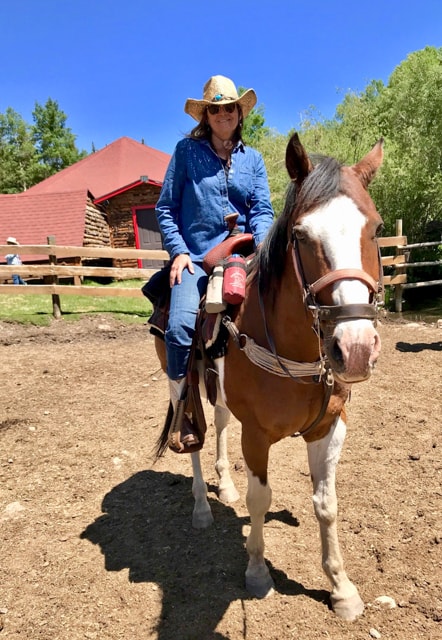
- Stay at a dude ranch: Just a couple of hours from Denver, Drowsy Water Dude Ranch offers a chance to experience a way of life that has shaped the American West for generations. Spend the day on horseback (lessons included) riding through wide-open landscapes. Take a break for a chuckwagon lunch before ziplining or white-water rafting. Evenings are laid-back, with meals served family-style. This is an immersive way to experience the kind of daily life that shaped this part of the country.
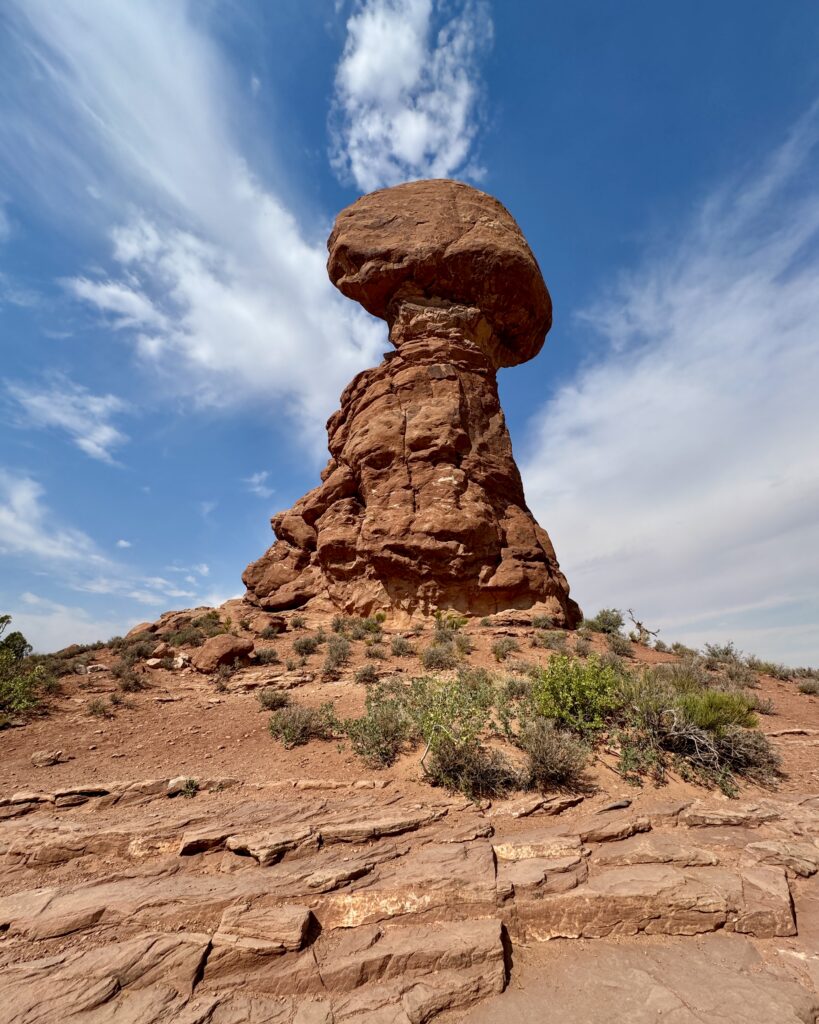
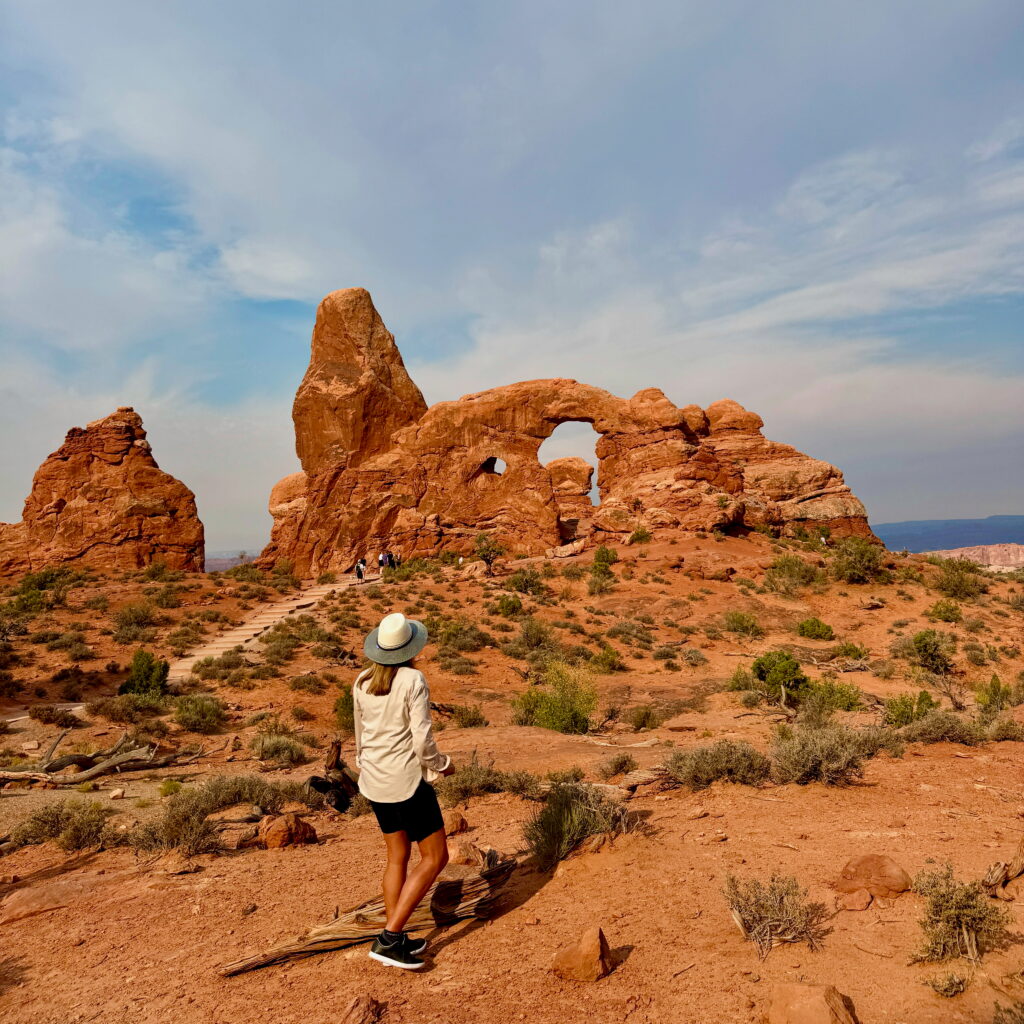
- Explore Arches and Canyonlands national parks: With its iconic red rock formations, Arches feels almost other-worldly, and the vastness of Canyonlands is mind-blowing. You can only imagine what early settlers thought when they encountered the scale and beauty of this area as they moved west.
- Stroll downtown Moab: Though Moab is known today for adventure, it grew out of the same frontier spirit that defined the west. Walking through town, you can still get a sense of what Moab might have felt like when it was a stop for travelers headed farther west.
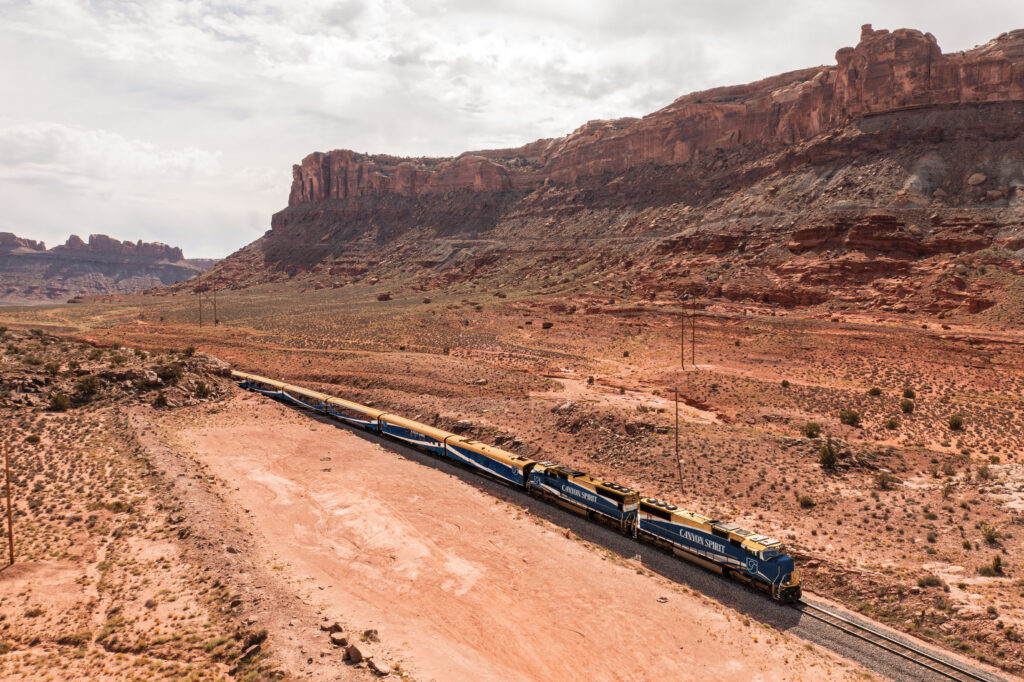
- Explore the Southwest by train: If you want to experience the Southwest in a completely different way, Canyon Spirit train offers a journey from the Rockies to the red rocks, blending history with a level of comfort early travelers could only imagine. As you wind through canyons and along rivers, you’re viewing layers of rock shaped over millions of years. During the day, you’ll be served delicious meals at your seat while you take in the landscape. Overnight, you’ll stay in upscale hotels. With options to visit Arches National Park and spend time in Moab along the way, it’s an easy way to experience a route that once took much more time and effort.
From the oldest city in the country to the wide-open landscapes of the Southwest, these four destinations show how America’s story continues to unfold. However you choose to celebrate America 250, there are plenty of ways to see it for yourself, wherever you begin.