Start-Up Circle: Building Bradenton’s Next Wave of Small Businesses
When the pandemic hit in 2020, the small business community in Manatee County felt the shock first—and in many ways, the deepest. For Realize Bradenton, that moment clarified an urgent community need: if local recovery were going to be strong, it would have to include entrepreneurs who were ready to adapt, rebuild, and lead.
That’s what sparked Start-Up Circle, a free, structured business and project planning course designed to help early-stage entrepreneurs move from ideas to reality with a plan they can actually use. “In 2020 during the pandemic, Realize Bradenton pursued grant funding specifically for small business support,” said Kristie Kindstrom, Realize Bradenton Events Manager and Start-Up Circle Coordinator. “A grant was secured, and the first Start-Up Circle was formed and facilitated in 2021 with 10 local entrepreneurs together on Zoom!”
Today, Start-Up Circle’s goal is simple—and surprisingly rare: help participants leave with a completed business plan that reflects the real demands of running a business day-to-day. The curriculum is organized in three practical parts: an Organizational Plan (licenses, legal, budgeting), a Financial Plan (costs, sales, profit, and cash flow), and a Marketing Plan (research, competition, pricing, goals, and financing). But the “aha” moments, Kindstrom said, usually hit when the numbers stop feeling abstract.
“Really when they dig into their financials and understand how to assess viability, it’s usually the first time they can really see the future,” she explained. That clarity often leads to the biggest post-graduation adjustments: pricing and scope. Many participants realize they underestimated true costs or set prices too low for sustainable margins. Others discover they’re offering too many options—and learn that focus can be the fastest path to growth.
While the financial part can feel intimidating at first, Kindstrom says it’s often the most critical discovery. Marketing, on the other hand, is where the energy spikes—especially once participants realize it’s not just social media and promotion. It’s strategy. It’s positioning. It’s the plan behind the posts. And it’s commonly overlooked.
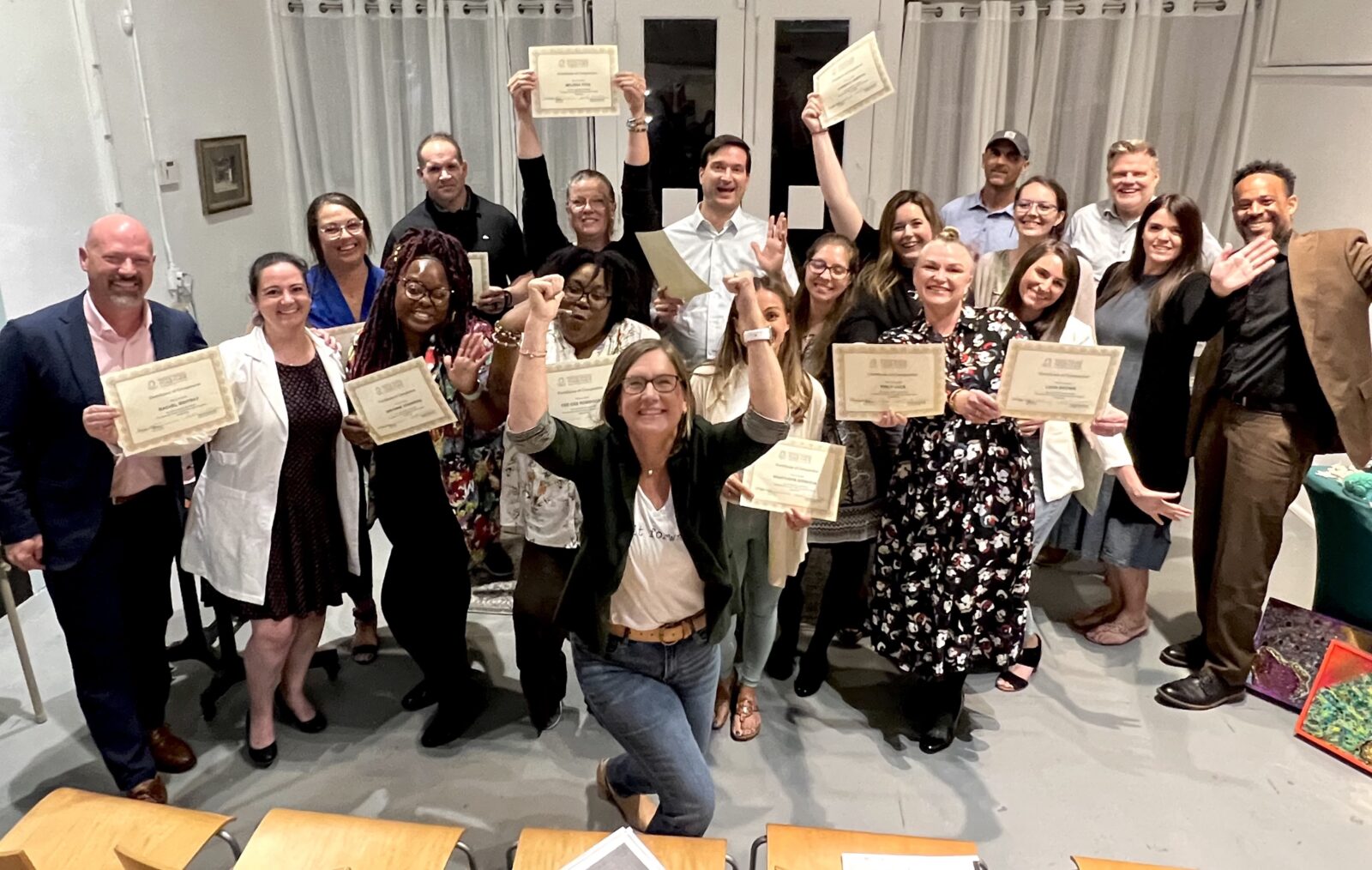
One of the program’s most powerful features may be the part that can’t be printed in a workbook: the cohort itself. With classes typically capped around 17 participants and rooted in local experience, the environment becomes both practical and personal. “Cohort learning is the secret sauce to the whole program,” Kindstrom said. “At the end, they are all like family and become each other’s greatest advocates.”
That sense of momentum culminates in a signature moment called the “Koi Pond” presentation—where each participant has five minutes to present their business plan (creativity\encouraged) to local advocates who provide feedback and, often, real opportunities.
Start-Up Circle’s impact is measurable: 10 cohorts and more than 150 entrepreneurs have graduated so far. But Kindstrom defines success less by the number of businesses launched and more by the moment a participant sees their business clearly—especially if the math reveals hard truths. Sometimes, success means a pivot. Sometimes it means a complete stop. “That moment when the math is telling a story, good or bad, and they understand what they need to do next—that is success,” she said.
In the end, Start-Up Circle is about creating confident, informed business owners who understand what they’re building—and what it will take to keep it standing. As Kindstrom often reminds participants: “If not you, then who?”
Want to take your idea seriously this year? Keep an eye on Realize Bradenton for the next Start-Up Circle cohort and consider visiting the Bradenton Public Market to meet local makers, see what’s selling, and get inspired by the kinds of small businesses shaping our community—one smart plan at a time.