
Manatee County Explores New Funding Options for Conservation Lands and Parks
By Lisa Neff
Manatee County might go back to the ballot box to ask voters for more support to create more conservation land. But before deciding on whether to present voters with a referendum in November, the county wants to check the electorate’s interest.
In January, county commissioners called on the nonprofit Trust for Public Land to look at options for increasing dedicated, ongoing sources of public funds for land conservation and parks and to present a feasibility study.
The organization, founded in 1972, helped the county in 2020 pass a ballot measure, the Conservation and Parks Projects Referendum, with 71% of the vote. The measure added 0.15 mills to property taxes and authorized the county to bond up to $50 million to secure land to protect drinking water sources, preserve fish and wildlife, prevent stormwater runoff and provide parks.
“This is how the county’s environmental lands program came to fruition,” said Kara Koenig, Manatee’s environmental lands program section manager.
Since the vote, the county has invested millions to buy conservation land and it has reached the limit on the $50 million bond authority.
On May 5, the Trust for Public Land presented county commissioners with a draft 31-page feasibility study that identified four basic funding mechanisms conservation land purchases:
- Bonds: The county borrows large upfront funding for land conservation through voter-approved bonds, typically repaid via property taxes over decades. This would enable immediate acquisitions but increase total costs through interest and cannot fund operations and maintenance.
- Bonds with additional property tax: The county combines voter-approved bonds with an added millage levy to fund acquisition, debt service and operations and maintenance. This option provides dedicated long-term revenue but relies on property taxes and long-term repayments.
- Property tax: The county increases or reallocates millage rates to fund conservation on a pay-as-you-go basis through annual property tax revenue. This can be implemented by the commissioners, but funding is not guaranteed long term.
- Sales tax: The county raises the infrastructure sales tax rate, with voter approval, to generate conservation and parks funding shared with municipalities. This captures revenue from visitors and businesses, but revenues fluctuate with the economy.
County commissioners didn’t vote for any options May 5. In fact, there was no commission vote, just direction for TPL to continue its fact-finding work.
TPL representatives are expected to return to county commissioners in mid-June to present recommendations, in part based on an upcoming public opinion survey to figure out voter attitudes.
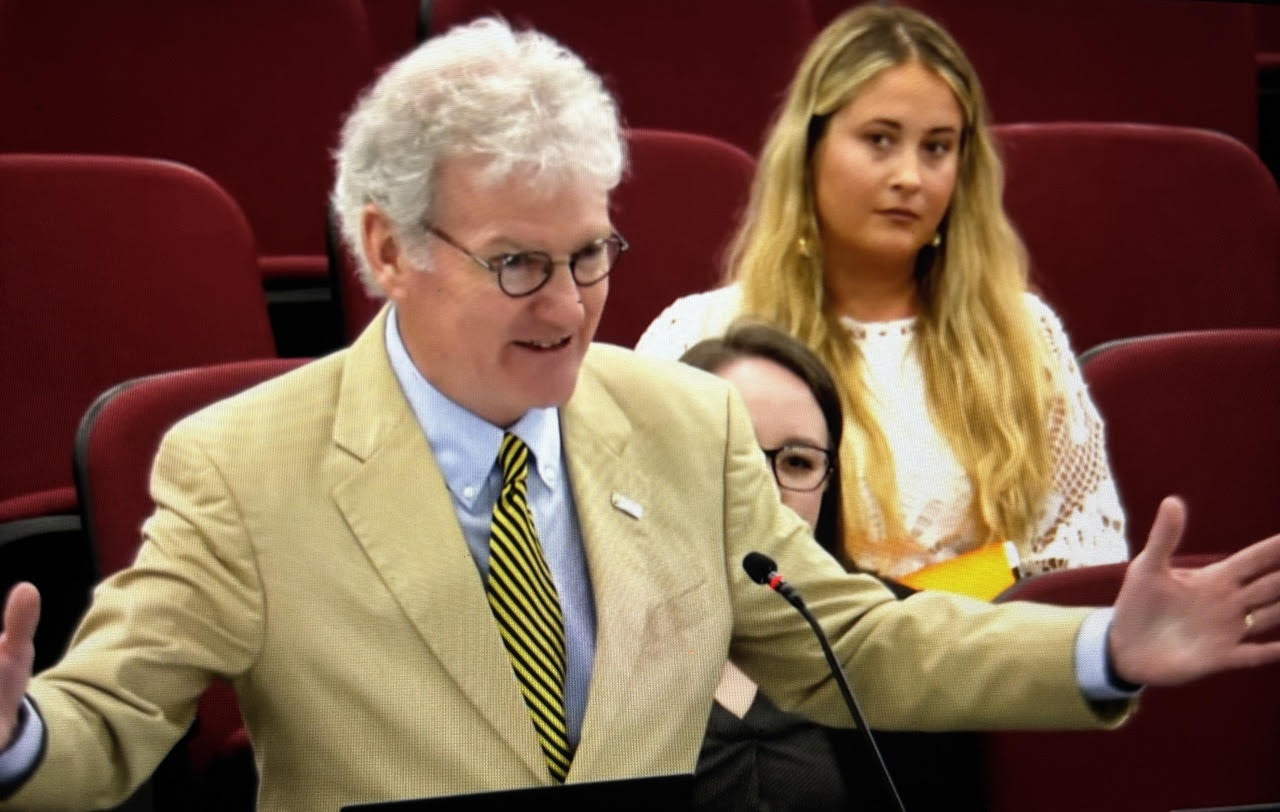
“Overall, when American voters are given an opportunity to vote on parks and conservation, more often than not they’re saying, ‘Yes,”’ according to Will Abberger, TPL vice president. But, he added, a public survey over the next month is important.
“Fundamentally what we want to know from the poll is whether this is something that would succeed in Manatee County,” Abberger said.
If the commission wants to move ahead, the next steps will involve drafting language for the ballot and carrying out a ballot initiative campaign.
TPL has seen an 87% success rate with ballot measures in the state, including passage of measures in Clay, Lake, Martin and Osceola counties in 2024.
“We’re very proud of that that track record,” Abberger said. “And we have had the great good fortune to win voter approval for 84% of the ballot measures that we support around the country. We get to that number by doing our homework.”
In 2026, TPL already is working with seven counties and a city to bring ballot initiatives to voters, including questions in Sarasota and Charlotte counties.