Curtain Up at Sarasota Opera
By Shelly West
The orchestra begins to play. A singer steps forward, and a powerful voice fills the historic Sarasota Opera House.
For many first-time visitors, one question quickly comes to mind: Where are the mics?
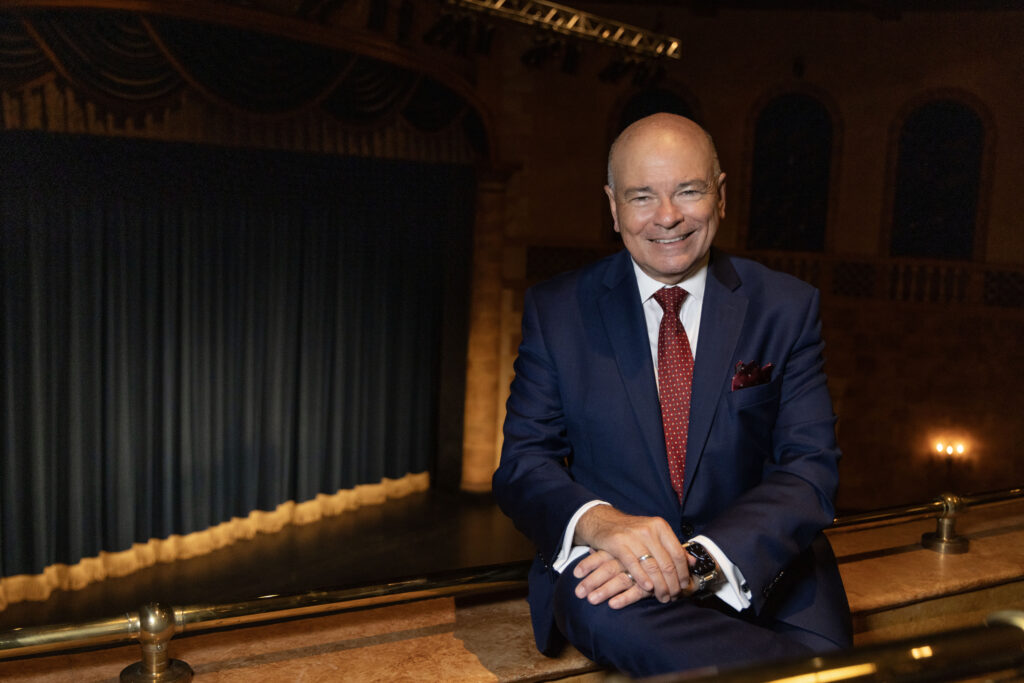
According to Richard Russell, the general and artistic director of Sarasota Opera, there aren’t any.
The singers rely on training, technique, and the natural power of the human voice. In a theater designed for acoustic performance, their voices can reach every corner of the room without amplification.
It is one of the qualities that make live opera such a distinctive experience.
“To me, the art form is the culmination of all the arts,” Russell says. “There is theater and music, orchestra and chorus, sets and costumes—all of it together.”
Yet for those who have never attended an opera, the experience can feel unfamiliar or intimidating. Russell wants audiences to know that opera is not reserved for experts. No prior knowledge is required, and there is no single right way to enjoy it.
A Theater Made for Opera
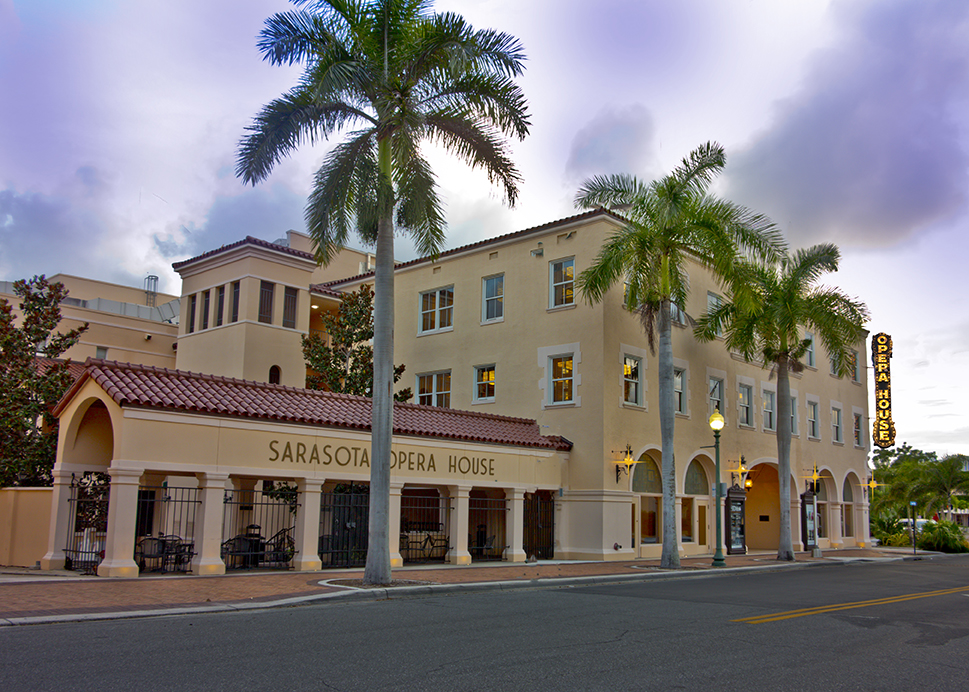
Sarasota Opera is one of only a few American opera companies that own their own theaters.
Built in 1926, the Sarasota Opera House was designed before microphones and modern amplification became standard. Its size and acoustics foster an intimate connection between performers and audience members, much like the European theaters for which many classic operas were written.
While some modern performance halls seat thousands, Russell believes opera often works best in a more intimate setting.
“Opera should be a more intimate experience,” he says. “We are able to accomplish that in our beautiful theater.”
Audiences can see the performers’ expressions, hear the orchestra resonate throughout the room, and experience the full force of voices carrying naturally from the stage.
Language is one of the most common concerns for prospective opera-goers. Many operas were written in Italian, German, French, and other languages, but Sarasota Opera makes the stories easy to follow with supertitles.
Similar to subtitles in a foreign-language film, English translations are projected above the stage. Supertitles are also used for performances sung in English because the vocal technique required to project over an orchestra can sometimes make individual words hard to distinguish.
Audience members can also find plot summaries and background information in the program and on Sarasota Opera’s website. These resources offer helpful context, but no preparation is required before attending.
At its heart, opera is storytelling. Its themes—love, jealousy, hope, betrayal, grief, and joy—remain familiar regardless of when or where the story was written.
More Than Tragedy
Another misconception is that every opera is long, serious, and tragic.
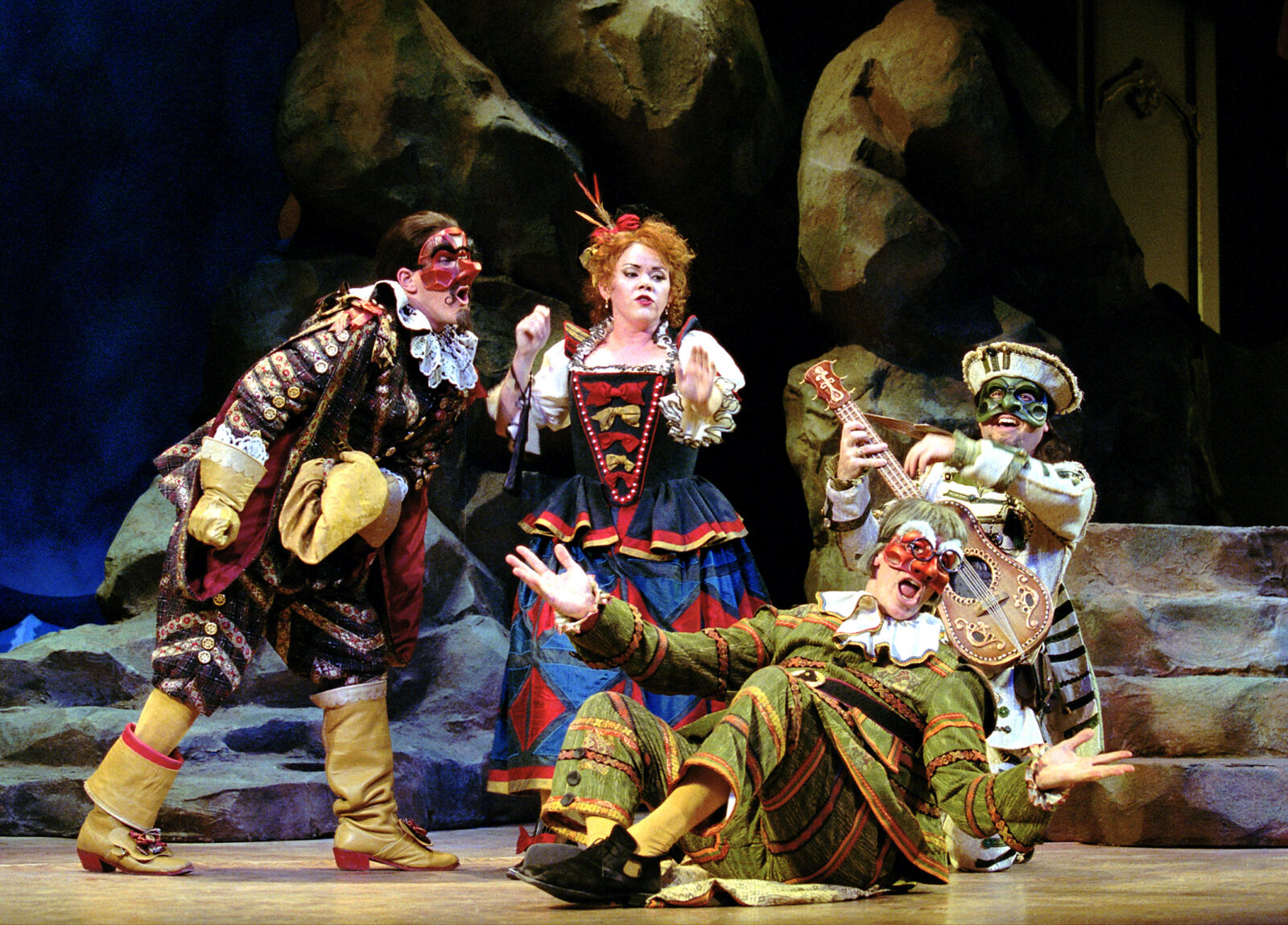
In reality, opera encompasses sweeping romances, comedies, fairy tales, historical dramas, and deeply emotional stories. Some productions leave audiences in tears, while others send them home laughing.
“Opera is not just one thing,” Russell says. “It can cater to many tastes.”
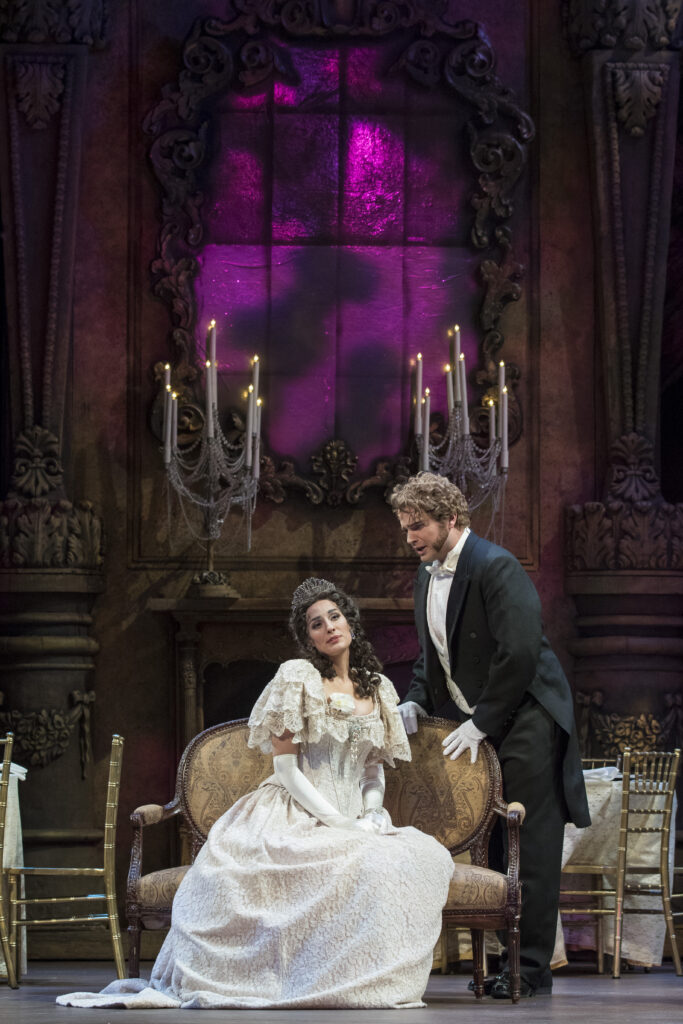
He points to “La traviata,” the opera attended by Julia Roberts’ and Richard Gere’s characters in the film “Pretty Woman.” The performance deeply moves Roberts’ character, capturing the emotional impact opera can have on a first-time audience member.
But grand tragedy is only one part of the art form.
“Sometimes somebody wants something funny—something they can laugh at,” Russell says. “We are doing that, too.”
He encourages anyone who did not connect with their first opera to try another. Judging the entire art form by a single production is like watching one film and deciding movies are not for you.
Welcoming Families and Young Performers
This fall, Sarasota Opera will present two productions designed to appeal to families as well as longtime opera audiences.
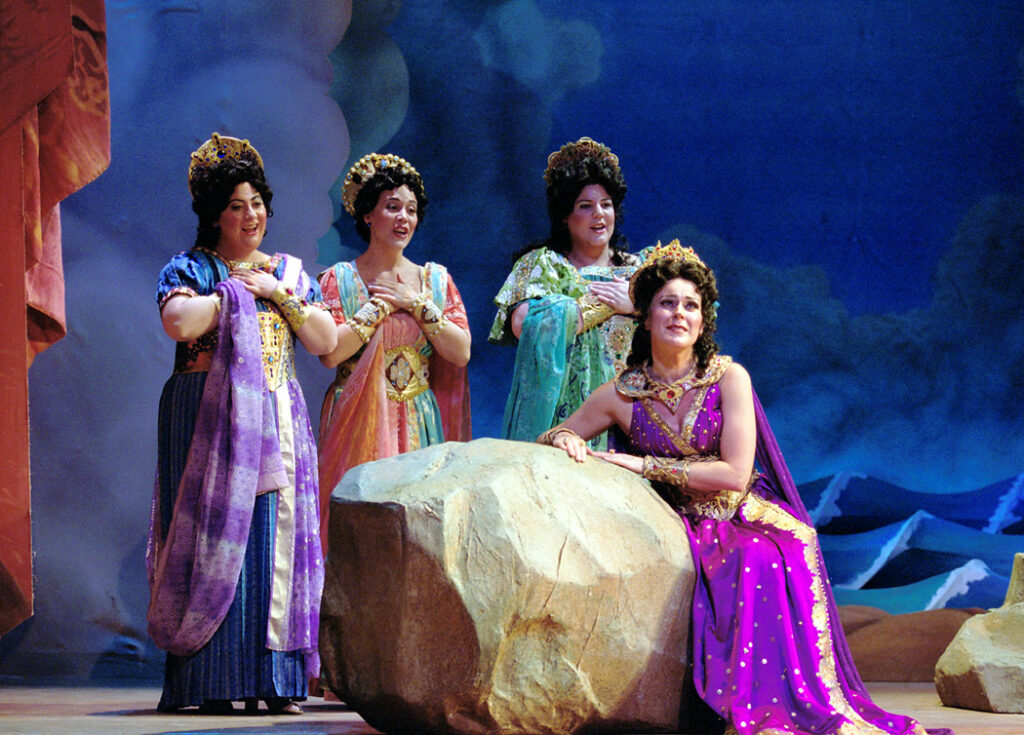
Engelbert Humperdinck’s “Hansel and Gretel” brings the familiar fairy tale to the stage with professional singers, an orchestra, scenery, and costumes. Originally written in German, the work will be performed in English by Sarasota Opera.
The familiar story offers an accessible introduction to opera for younger audience members, while its sophisticated music offers plenty for experienced patrons to enjoy. Members of Sarasota Youth Opera will also participate in the production.
Young performers will take center stage in “Rootabaga Country,” an opera by composer Rachel J. Peters, originally commissioned by Sarasota Opera in 2017. Inspired by Carl Sandburg’s whimsical Rootabaga Stories,” the production follows a father and his children as they visit places that brought their late mother happiness.
Russell describes the work as charming, fantastical, and magical. Presented on the main stage with a professional orchestra, sets, and costumes, it offers young singers the chance to experience a fully staged opera.
The Sarasota Youth Opera program serves performers ages 8 to 18. Sarasota Opera also supports college-age and early-career singers through its Apprentice Artist Program during the winter season, providing mentorship and professional performance experience.
Come as You Are
Must opera-goers arrive in evening gowns and tuxedos? Only when they feel like it.
Some audience members enjoy dressing up and sipping a glass of champagne before the performance. Others—particularly at Florida matinees—arrive in comfortable clothing, even shorts.
“You don’t have to get dressed up,” Russell says. “But some people love the idea that it is a dress-up night. It can be a different experience for different people.”
Food and drinks are available at the opera house, allowing guests to make the performance part of a date night or an outing with friends.
Although opera originated as entertainment for the European aristocracy, it eventually became an experience enjoyed by the broader public. Before television and other modern forms of entertainment, the opera house was a social gathering place where people watched performances, ate, drank, and discussed what they had seen.
That sense of connection remains part of its appeal.
“You can bring a date or go with friends and talk about your experience,” Russell says. “It is a wonderful way to make connections with each other.”
Take Your Seat
There is no need to recognize every piece of music, understand vocal technique, or know the composer’s history. A first-time visitor needs only curiosity and an open mind.
Opera combines music, acting, visual art, storytelling, costumes, and the remarkable power of the unamplified human voice. It can be romantic, funny, magical, heartbreaking, or joyful—and sometimes all of those in a single evening.
“It really is for anybody who is willing to have an open mind and let it wash over them,” Russell says.
Dress up or come in comfort. Bring a date, gather some friends, or introduce a young family member to the theater. Then take a seat and let the orchestra, story, and voices do the rest.