
The Grounding Power of Analog
By Shelly West
As the digital world becomes harder to interpret, people are rediscovering the grounding pleasure of face-to-face, real-time experiences.
Something is reassuring about an experience that unfolds directly in front of you.
A guide tells a story. A performer responds to the audience. A stranger laughs beside you. You notice the architecture outside a trolley window, hear the inflection in someone’s voice, and share a moment with people who are seeing and hearing the same thing.
You don’t need to question whether the experience has been modified, filtered, staged, or created. You are present, and the people nearby are involved as well.
As daily life has become increasingly digital, many people have begun seeking more opportunities to step away from their screens. This is partly a response to the time spent working, shopping, communicating, and finding entertainment online. But another form of fatigue has also emerged.
Using the internet now requires a remarkable degree of discernment. A person scrolling through a feed, reading an article, watching a video, or viewing an image may find themselves asking a series of questions: Is this real? Has it been edited? Is the person sincere? Is the story accurate? Was the image created by a person or generated by a program? Is this information meant to help, persuade, provoke, or sell?
That constant evaluation can be exhausting.
In-person experiences offer a welcome contrast. They give people something tangible and immediate—a place, a voice, a story, and other people to share it with. They provide a chance to stop analyzing the world from a distance and to participate in it again.
One way to have an immersive experience is to take a Discover Sarasota Tours tour, which offers a lively example of the kind of experience people seek.
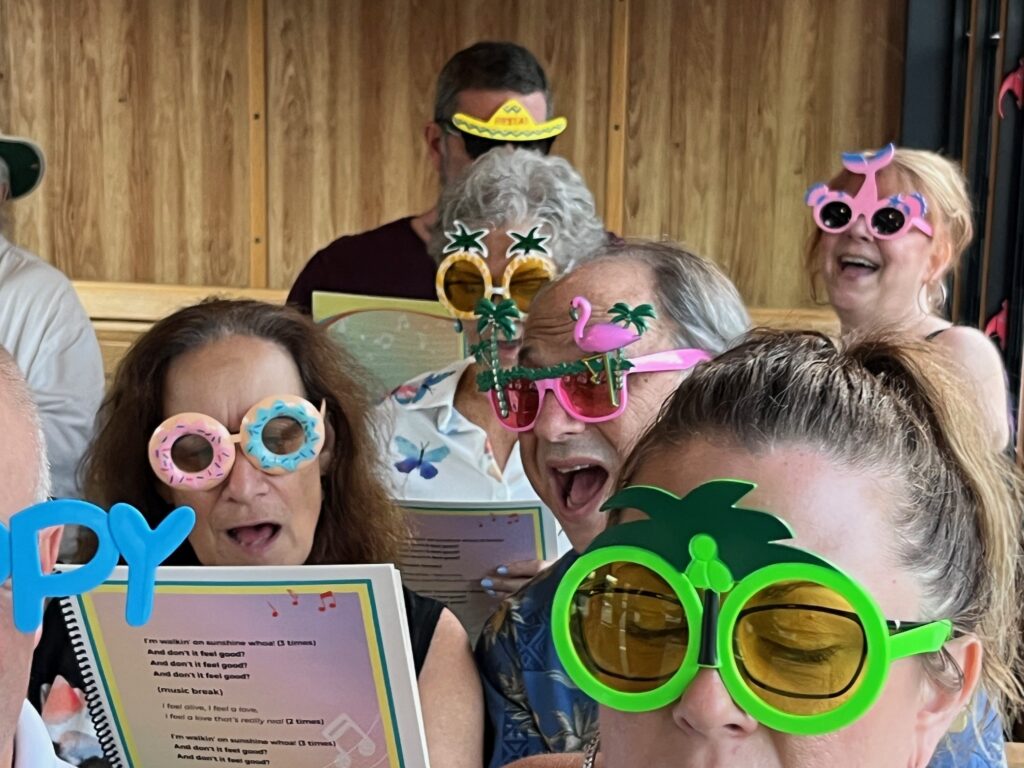
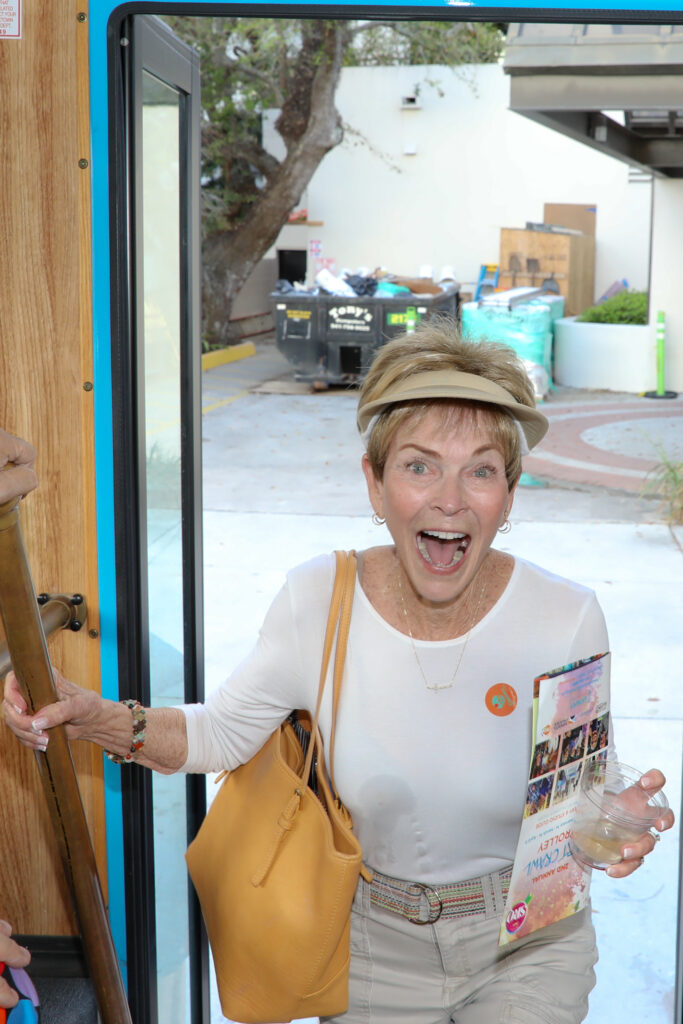
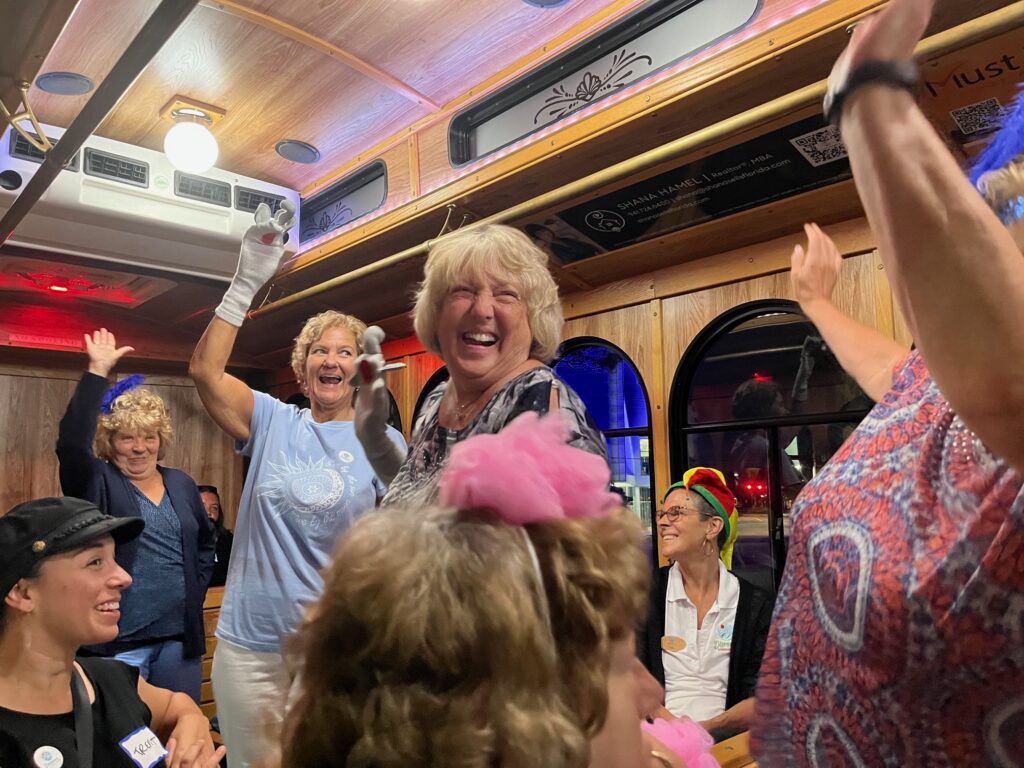
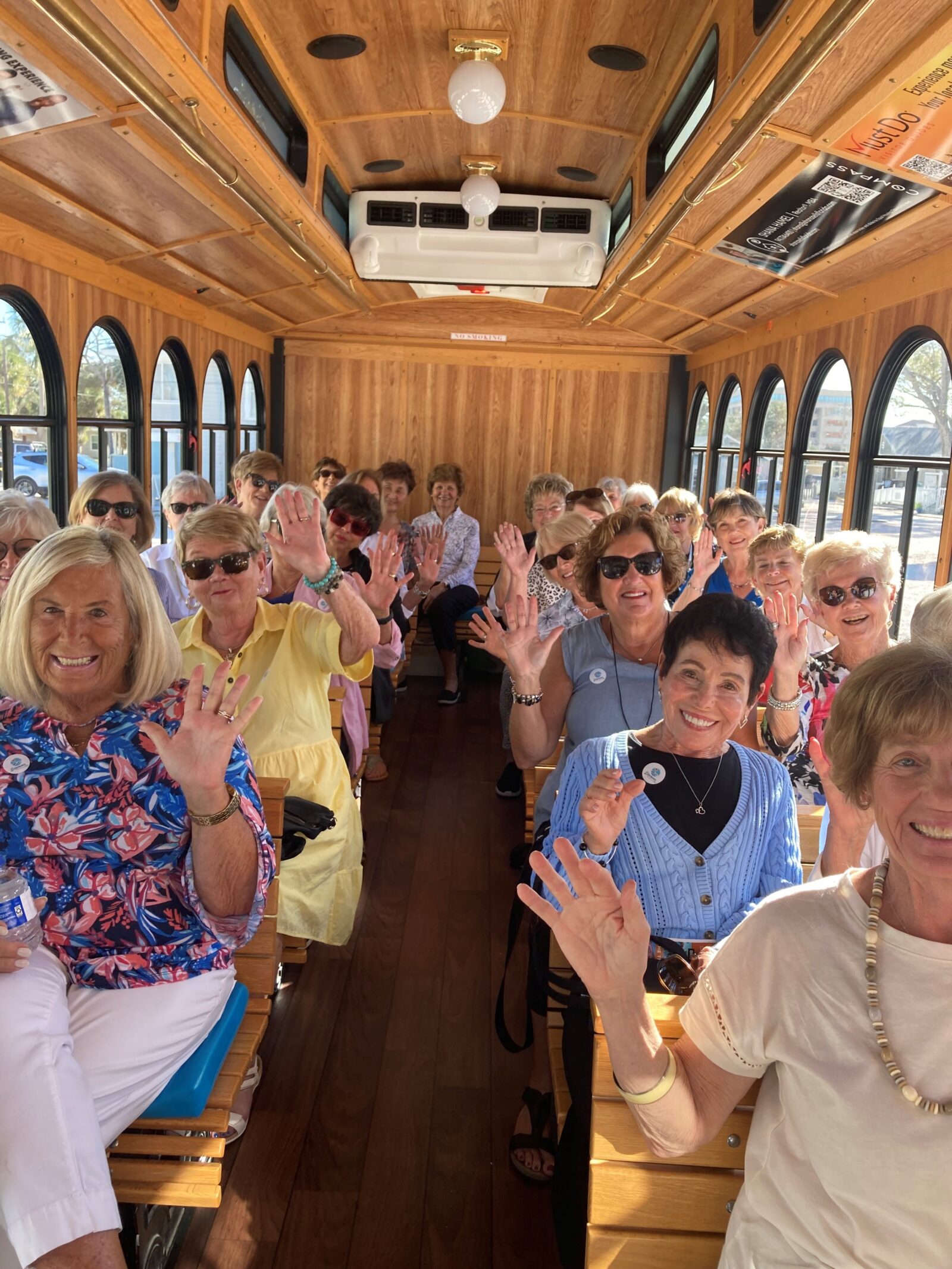
Guests board a brightly colored trolley to explore Sarasota’s history, personalities, landmarks, and stories. Some tours present the community in a new light, while others turn the trolley into a moving stage.
The company’s murder mystery tours are especially immersive. Passengers follow clues, watch costumed characters, compare theories, and try to solve the mystery as the story unfolds around them.
The appeal extends well beyond finding the culprit.
A family may arrive looking for an entertaining outing and leave with a shared adventure they continue discussing afterward. Friends can enjoy an evening that feels different from simply meeting for dinner. Coworkers attending as part of a company-sponsored event have a natural way to talk, laugh, and collaborate outside the usual work environment.
Some passengers arrive together, while others start the tour as strangers. As the mystery unfolds, people begin exchanging ideas, reacting to the characters, and laughing at the same unexpected moments. For a little while, everyone aboard is part of the same story.
That feeling of shared participation is difficult to reproduce through a screen.
Even a traditional sightseeing tour can foster a similar sense of connection. Longtime residents may uncover the histories behind buildings they have passed for years. Visitors can experience Sarasota as more than a collection of attractions. Instead of following directions on a phone or reading brief online descriptions, passengers hear stories from a live guide and see the city through someone else’s eyes.
They are not simply receiving information. They are experiencing a place.
There is comfort in having a shared reality.
The renewed interest in offline experiences does not mean people are abandoning technology. Phones still help us make reservations, get directions, take photos, and stay connected.
The difference is that the device becomes a tool rather than the destination or distraction.
During an in-person tour, class, performance, or gathering, attention shifts to what is happening in the room or the surrounding community. People can respond to one another naturally. They can ask questions, notice body language, share a laugh, or let a conversation take an unexpected turn.
There is also comfort in knowing that other people witnessed the same moment.
Online, individuals often encounter content in isolation and must decide what to believe. During a live experience, the audience shares a common point of reference. Everyone hears the same joke, sees the same performance, or watches the same clue appear. Their interpretations may differ, but the experience itself is real and collective.
That shared reality can feel stabilizing. It brings attention back to the senses and the immediate environment—to the sound of a voice, the movement of a crowd, the feel of something handmade, or the details of a familiar street seen from a new angle.
It reminds people that they belong to a physical community, not just a digital one.
An analog experience need not be elaborate. The goal is not to fill every free hour with structured activities or to create a rigidly screen-free life.
It may be as simple as attending a live performance, joining a local tour, visiting a farmers market, taking a creative class, volunteering, or meeting friends for cards or dinner. The chance to be present and engaged matters more than the activity itself.
These outings also make it easier to connect with the people and places nearby. A conversation with an artist, performer, guide, shopkeeper, or fellow participant can add texture to a community that is easy to overlook amid a busy routine.
Even familiar surroundings can feel different when approached with curiosity.
A tour may reveal the story behind a building. A market visit may introduce the person who grew or created it. A performance may turn an ordinary evening into a memory shared by an entire audience.
The value comes from being involved rather than merely observing.
The digital world offers extraordinary convenience, information, and connection. It is also increasingly crowded with content that prompts people to question what they see and decide what deserves their trust.
That may be why the simplest in-person experiences now feel particularly meaningful.
Sometimes the best way to feel grounded is not to seek more information. It is to step out into the world, share an experience with others, and enjoy the certainty of being there.